
Our Research Project
Tutukaka, New Zealand
The Petrel Station seabird tours support a long-term at-sea research project recording seabird diversity, abundance, and seasonal movements offshore from Tutukaka and the greater Hauraki Gulf. Every tour contributes to a growing understanding of one of New Zealand’s richest pelagic seabird regions.
The Research
The Petrel Station research project is an ongoing at-sea observation programme focused on the seabirds and marine conditions of offshore Northland and the greater Hauraki Gulf area.
On every tour, seabird sightings are recorded systematically to build a long-term record of which species are present, how many occur, how they change through the seasons, and how seabird activity relates to changing ocean and weather conditions.
This work is especially valuable because there is still relatively limited long-term offshore seabird sightings data around New Zealand. As a result, the project is helping build a stronger understanding of seabird occurrence and movement in an area already proving to be exceptionally rich.

Why here?
IT'S ONE OF THE WORLD'S MOST DIVERSE SEABIRD LOCATIONS!
Our research is already highlighting this area as one of the most diverse seabird locations anywhere on the planet, and the waters offshore from Tutukaka in northern New Zealand are an ideal setting for a long-term seabird sightings research project.
They are also the same reasons that make this area so exceptional for The Petrel Station seabird tours, which are highly regarded internationally as one of the world’s best full-day pelagic birdwatching experiences.
Why this area is so important:
So far we’ve recorded 70 seabird species present in the area, which includes an impressive 52 tubenose species.
24 of the seabird species encountered breed locally on the Poor Knights Islands, other offshore islands in the greater Hauraki Gulf area, or on the nearby mainland.
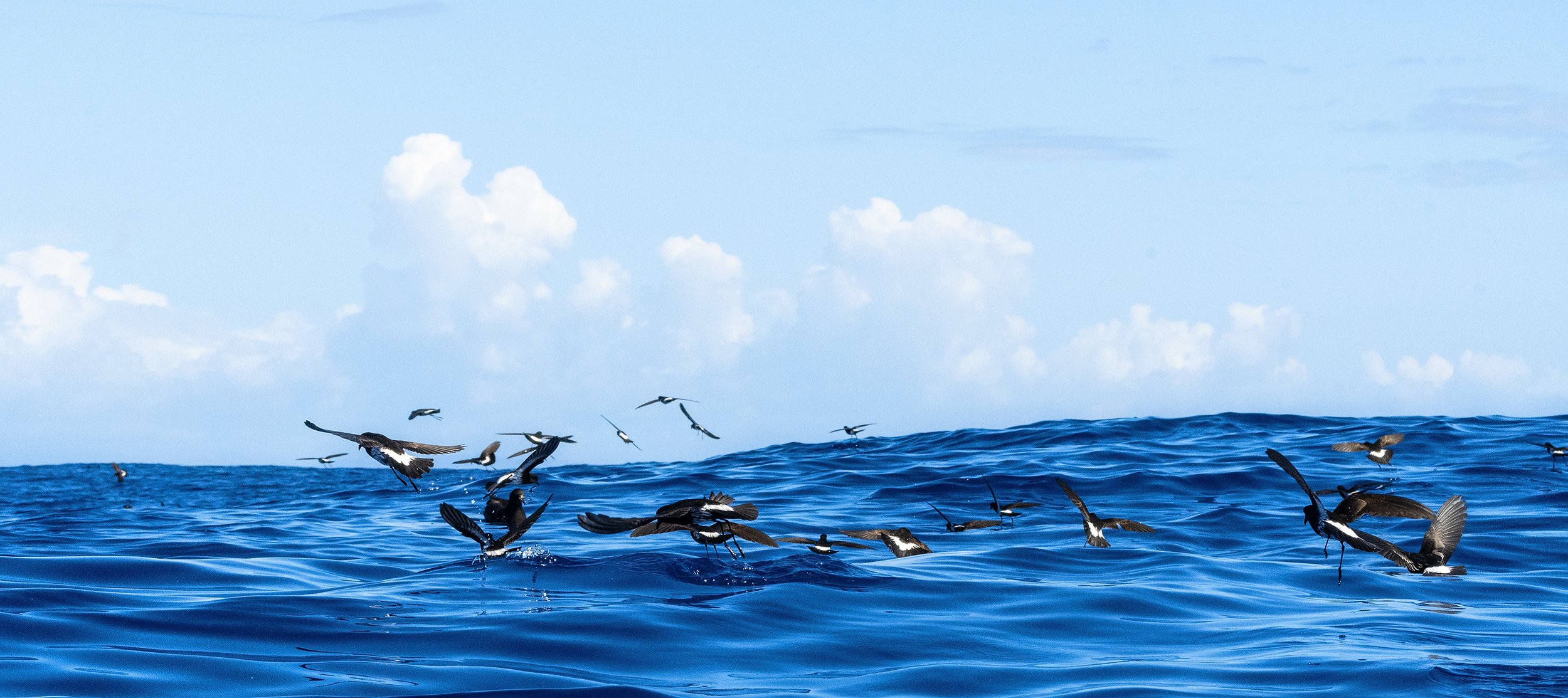
The pelagic waters of the greater Hauraki Gulf area and the northern east coast are among New Zealand’s most productive marine environments. Zooplankton, krill, and baitfish can gather in dense concentrations, creating huge feeding workups involving seabirds and other marine life (whales, dolphins, marlin, tuna, kingfish etc).
Because of our latitude at 35°S, we are generally as far south as some tropical seabird species range, and as far north as some southern seabird species come. This places us in a prime position to encounter a diverse mix of species through different seasons.
A good diversity of migrating seabirds pass through in season, and we have some scarcer vagrant seabird species turn up as well.
How the data is collected
Seabird sightings are recorded throughout each tour using a consistent field-based approach. The aim is to build a long-term dataset that is useful not only for understanding which species occur offshore from Tutukaka, but also for tracking seasonal patterns, changes in abundance, and relationships with marine conditions.
Information recorded during tours includes:
seabird species and numbers encountered
the zones the birds are encountered in, including inshore waters, offshore waters, and around breeding islands
seasonal timing and changes through the year
environmental conditions such as sea state, wind, weather, sea temperature, swell, tides, and other relevant ocean factors
Other marine life encountered during tours is also noted, helping build a broader picture of the offshore ecosystem.
What the research shows
Even in its early years, the project is already highlighting just how important the waters offshore from Tutukaka are for seabirds.
Key themes emerging from the research include:
exceptional seabird diversity in the region
strong seasonal differences in species composition
the importance of the area for both local breeding species and migratory visitors
greatly improved understanding of seabird movements around New Zealand, particularly in the north
massive seabird feeding workups linked to abundant marine food resources
In 2021/2022, records from The Petrel Station seabird tours, together with sightings recorded during a Kermadec Islands expedition (also organised by The Petrel Station), accounted for 24% of accepted Unusual Bird Reports in New Zealand. These observations are helping reshape understanding of seabird distribution in northern pelagic waters, including showing that some species from distant breeding areas are regular seasonal visitors rather than exceptional rarities. As a result, the reporting status of some seabird species in New Zealand has changed. Based on reporting summarised in Notornis 70 (2023), The Ornithological Society of New Zealand.
Why it’s important
Seabirds are powerful indicators of ocean health. Because they range widely and respond to shifts in food, currents, weather, and marine productivity, they can tell us a great deal about what is happening in the wider marine environment.
That matters at a time when many seabird species face pressure from changing ocean and climatic conditions, fisheries interactions, plastics and pollution, introduced predators at breeding sites, and wider environmental change.
The Tutukaka / Northland region is especially important because it sits within one of New Zealand’s most remarkable seabird systems. Nearby breeding islands, rich offshore feeding conditions, seasonal movements, and the overlap of northern and southern influences all contribute to a pelagic environment of unusual diversity.
Support
The research undertaken through The Petrel Station seabird tours is carried out alongside the tours themselves.
From time to time, opportunities may arise through partnerships, grants, sponsorship, or philanthropic support focused on strengthening the long-term research programme and expanding what can be achieved in the areas of seabird science, awareness, and conservation.
Experience the research
Join The Petrel Station seabird tours from Tutukaka to experience one of New Zealand’s great seabird regions while contributing to a growing understanding of its offshore birdlife.