

Petrels of The Petrel Station
Tutukaka, New Zealand
We’ve recorded one of the highest diversities of Petrel species of any single location in the world on The Petrel Station seabird tours – ranging from massive Giant Petrels to tiny Diving Petrels.
21
PETREL SPECIES SEEN
Petrels are by far the largest group of pelagic seabirds encountered offshore from Tutukaka, which includes a remarkable mix of local breeders, specialties, seasonal visitors, and scarce offshore vagrants — highlighting why this is such a globally significant seabird hotspot.
Among them are some real specialty seabirds of The Petrel Station seabird tours, including Pycroft’s Petrel and Black Petrel, which breed locally and are unlikely to be encountered elsewhere in New Zealand.
Below are the Petrel species we’ve recorded on The Petrel Station seabird tours, and when they’re most likely to be seen — though sightings may occur outside these times.
JUMP TO SPECIES:
Pycroft’s Petrel • Cook’s Petrel • Black-winged Petrel • Mottled Petrel • Soft-Plumaged Petrel • Gould’s Petrel • Stejneger’s Petrel • Black Petrel • White-chinned Petrel • Westland Petrel • Northern Giant Petrel • Southern Giant Petrel • Grey-faced Petrel • Providence Petrel • Kermadec Petrel • White-necked Petrel • Blue Petrel • Grey Petrel • Cape Petrel • White-headed Petrel • Common Diving Petrel
Pycroft’s Petrel
SPECIALTY SEABIRD of The Petrel Station
ENDEMIC SPECIES
When seen: October to March (in small numbers).
Occurrence: Regular local breeder
Scientific name: Pterodroma pycrofti
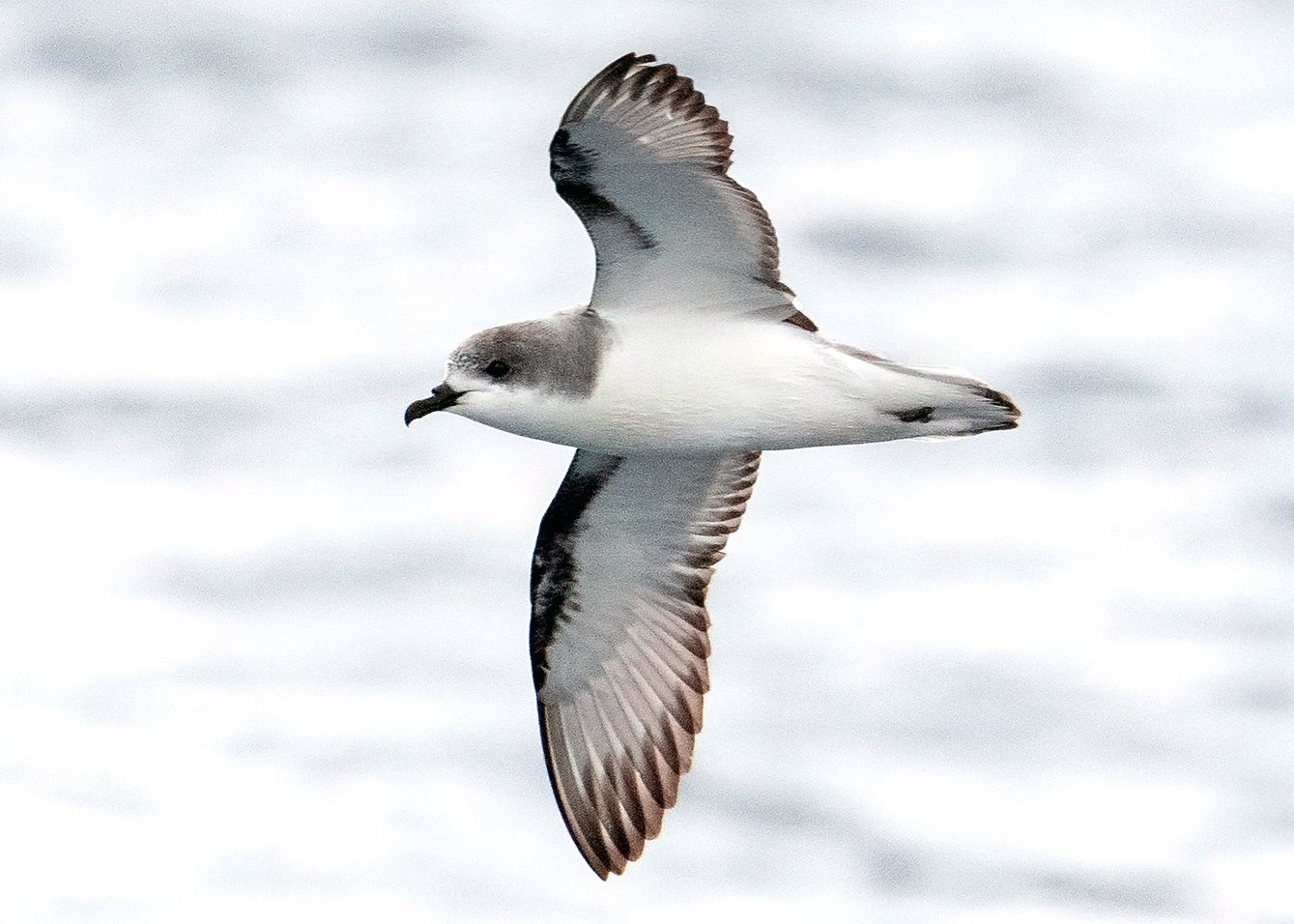
Pycroft’s Petrel are a true specialty seabird of The Petrel Station seabird tours, and one of the most tricky seabirds to ID. This small gadfly petrel only breeds on a few offshore islands in northern New Zealand, including the Poor Knights Islands and the Hauraki pelagic area, and we’re one of the only places in the world to encounter them regularly in small numbers over our spring and summer tour seasons.
What makes them difficult to ID is how similar they look to the much more numerous Cook’s Petrel, which occurs at the same time of year. Once you learn the subtle differences between these two Cookilaria petrels, it always becomes a great game of Pycroft’s vs Cook’s on the boat whenever a potential Pycroft’s passes nearby.
With an estimated global population of only around 25,000 birds, spread across a handful of small breeding islands, this endemic is always special to see.
Cook’s Petrel
ENDEMIC SPECIES
When seen: September to March (and small numbers April to August).
Occurrence: Common local breeder (in large numbers)
Scientific name: Pterodroma cookii
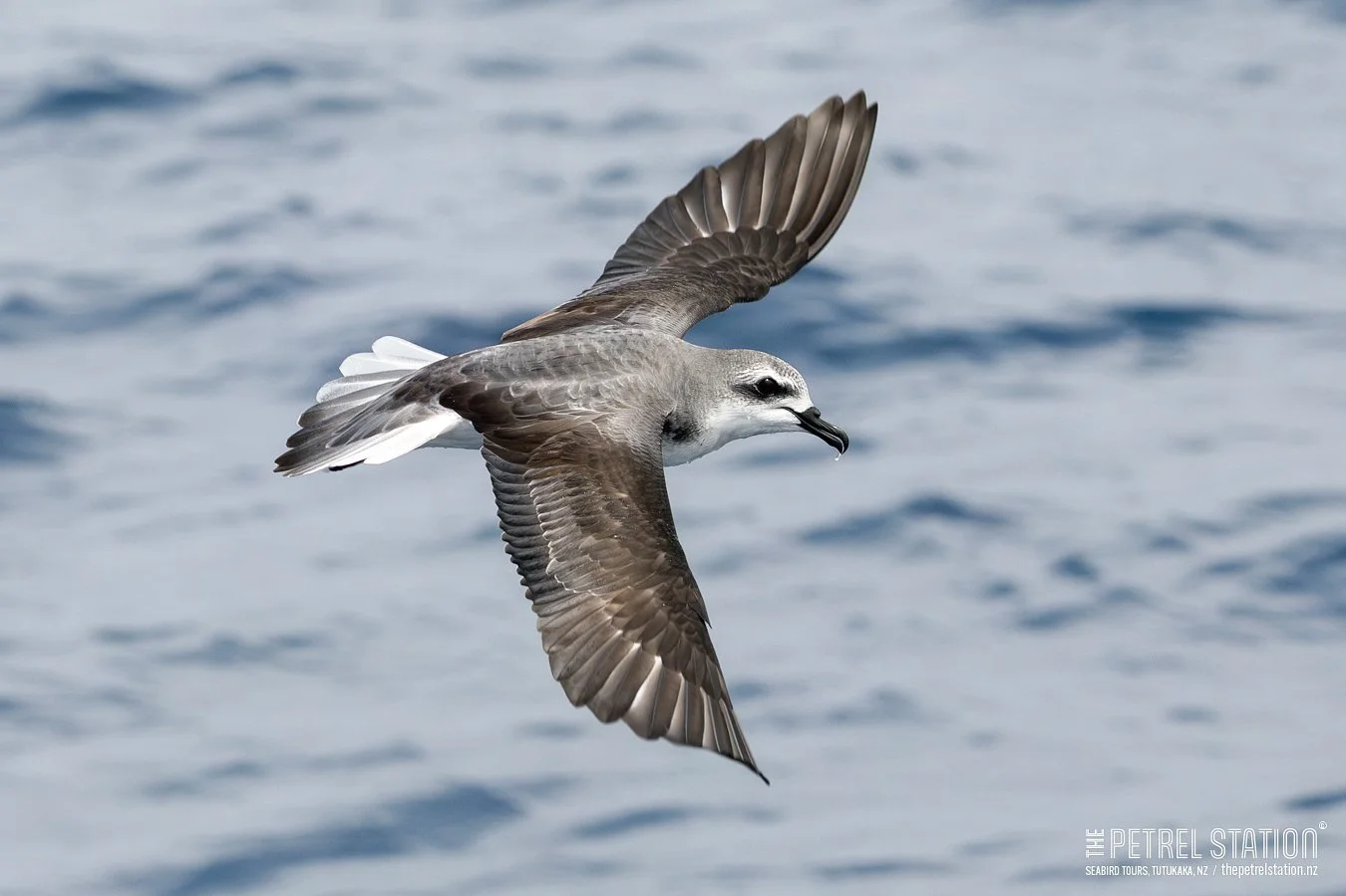
Cook’s Petrel are the most regularly encountered petrel on The Petrel Station seabird tours, and through spring and summer we see them in excellent numbers offshore from Tutukaka.
These small gadfly petrels are slick and graceful seabirds, especially in stronger winds when they soar and arc effortlessly across the ocean. The world’s main breeding populations are concentrated on just two offshore islands in the nearby Hauraki pelagic waters — Little Barrier Island and Great Barrier Island.
We’re always checking them very closely because among the many Cook’s we see there is always the chance of picking out a scarcer Pycroft’s Petrel, or some other Cookilaria species.
Black-winged Petrel

SPECIALTY SEABIRD of The Petrel Station
When seen: December to March (in small numbers).
Occurrence: Occasional local breeder
Scientific name: Pterodroma nigripennis
Black-winged Petrel are always a show-stopper when they appear on tour in late spring and summer. At first glance from above they can look like other cookilaria petrels, but once it banks and flashes the thick carpal bars on the underwing, there is no mistaking it.
This stunning small gadfly petrel breeds on a few offshore islands in northern New Zealand, as well as in huge numbers in the Kermadec Islands.
Mottled Petrel
ENDEMIC SPECIES
When seen: October to December (in small numbers during migration).
Occurrence: Occasional migration visitor
Scientific name: Pterodroma inexpectata
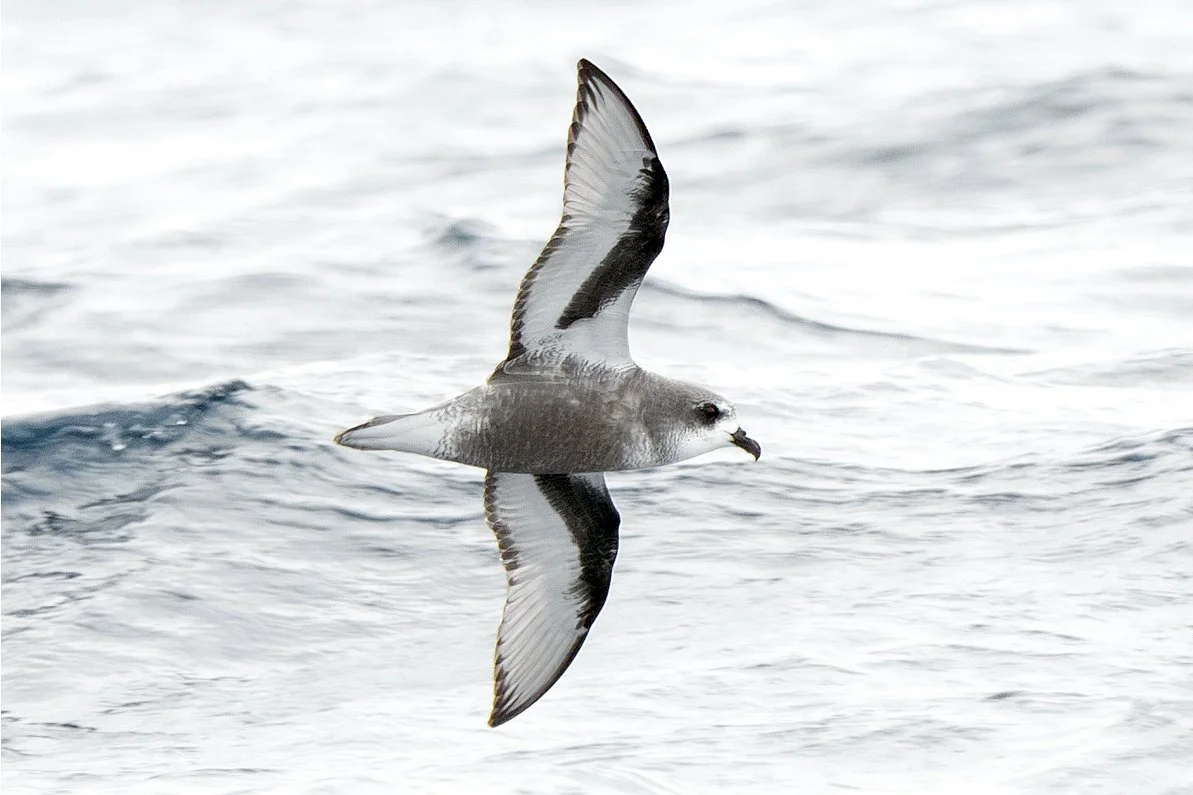
There is nothing quite like a Mottled Petrel and it’s always exciting when one shows up. Bigger and heavier-set than the smaller Cookilaria petrels, this medium-sized gadfly petrel really stands out with its dusky belly and thick underwing carpal bars.
These stunning seabirds breed in southern New Zealand and pass through northern waters during migration, which is when we can sometimes encounter them. In season, The Petrel Station seabird tours are one of the best places offshore mainland New Zealand to have a realistic chance of seeing one.
Soft-plumaged Petrel
When seen: May to July (in small numbers).
Occurrence: Infrequent visitor
Scientific name: Pterodroma mollis
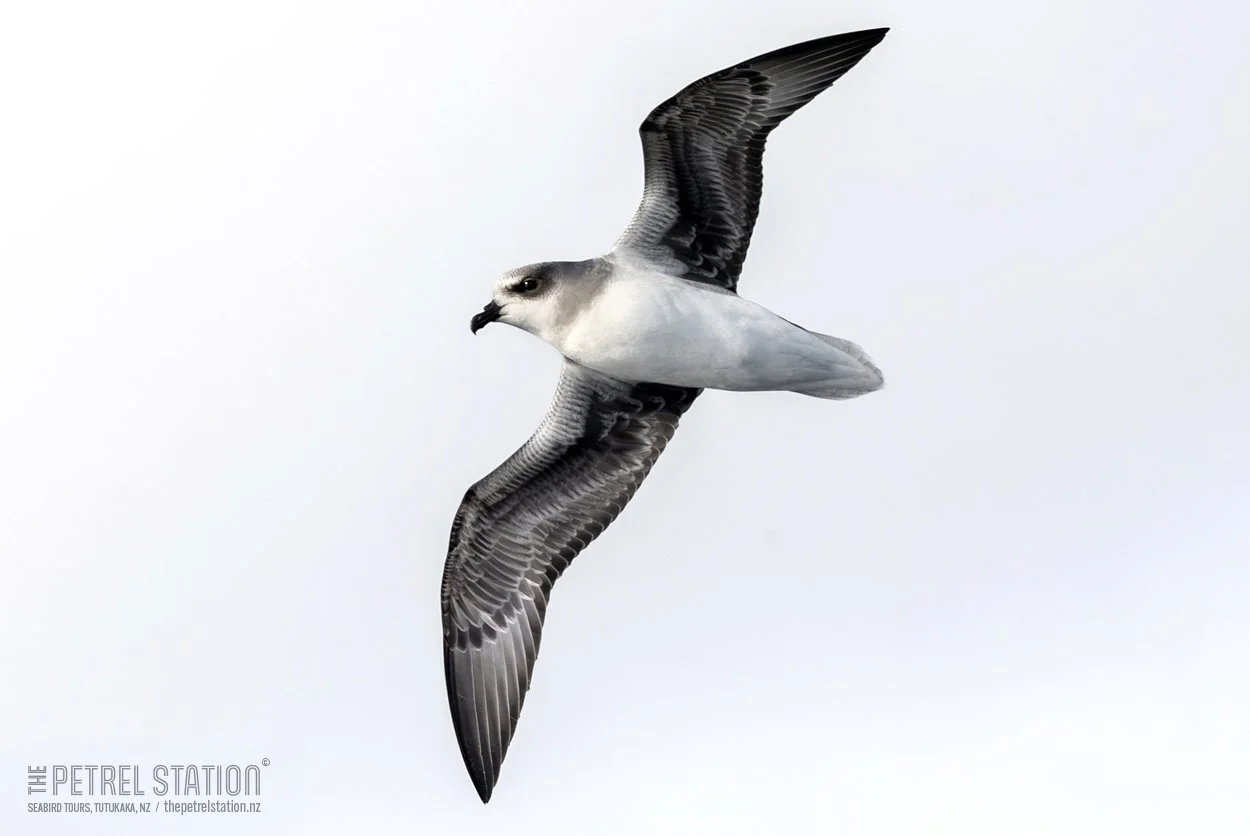
Soft-plumaged Petrels are southern ocean visitors that sometimes make an appearance in autumn and winter. This beautiful medium-sized gadfly petrel features a dark collar and a strongly patterned underwing, contrasting against a mostly white body.
They are very much a cool-season treat offshore from Tutukaka, and only infrequently recorded, so when one drops in it is always a thrill.
Gould’s Petrel
When seen: November to December (very occasionally seen).
Occurrence: Rare vagrant visitor
Scientific name: Pterodroma leucoptera
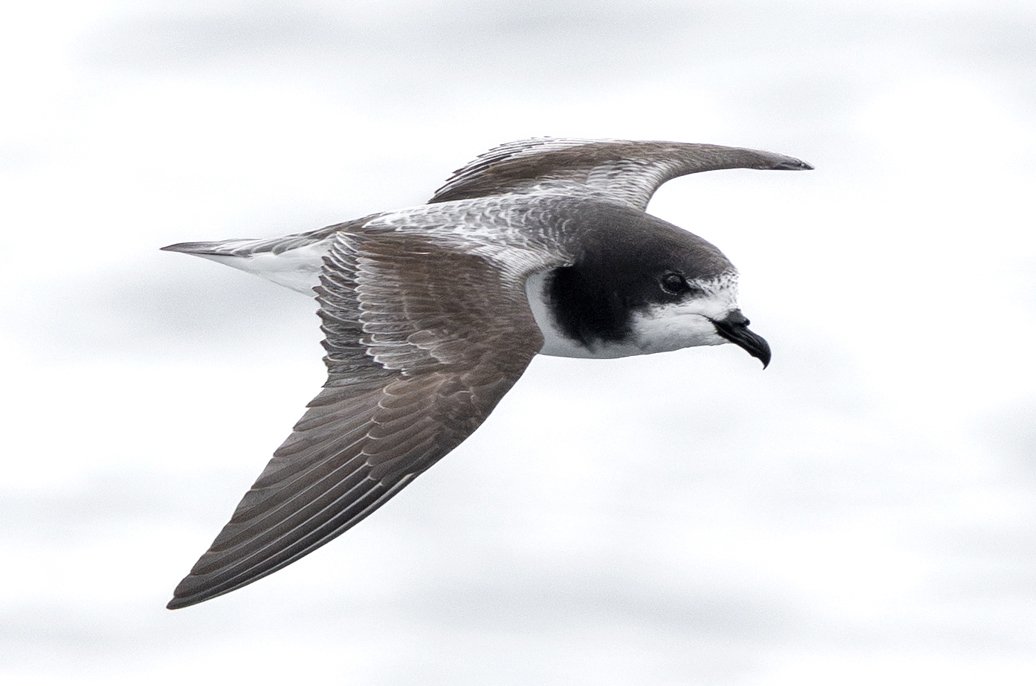
Gould’s Petrel are a stunning small gadfly petrel and a very rare visitor to New Zealand waters. We only encounter them very occasionally in spring, but when we do they are a real standout.
They are especially distinctive for the very dark hood and bolder underwing carpal bars, which help them stand apart from the more familiar local Cookilaria-type species. With a global population of only around 10,000 birds, it is a genuinely scarce seabird and always an exciting one to record.
Stejneger’s Petrel
2nd live record for New Zealand
When seen: October (only encountered once).
Occurrence: Very rare vagrant visitor
Scientific name: Pterodroma longirostris
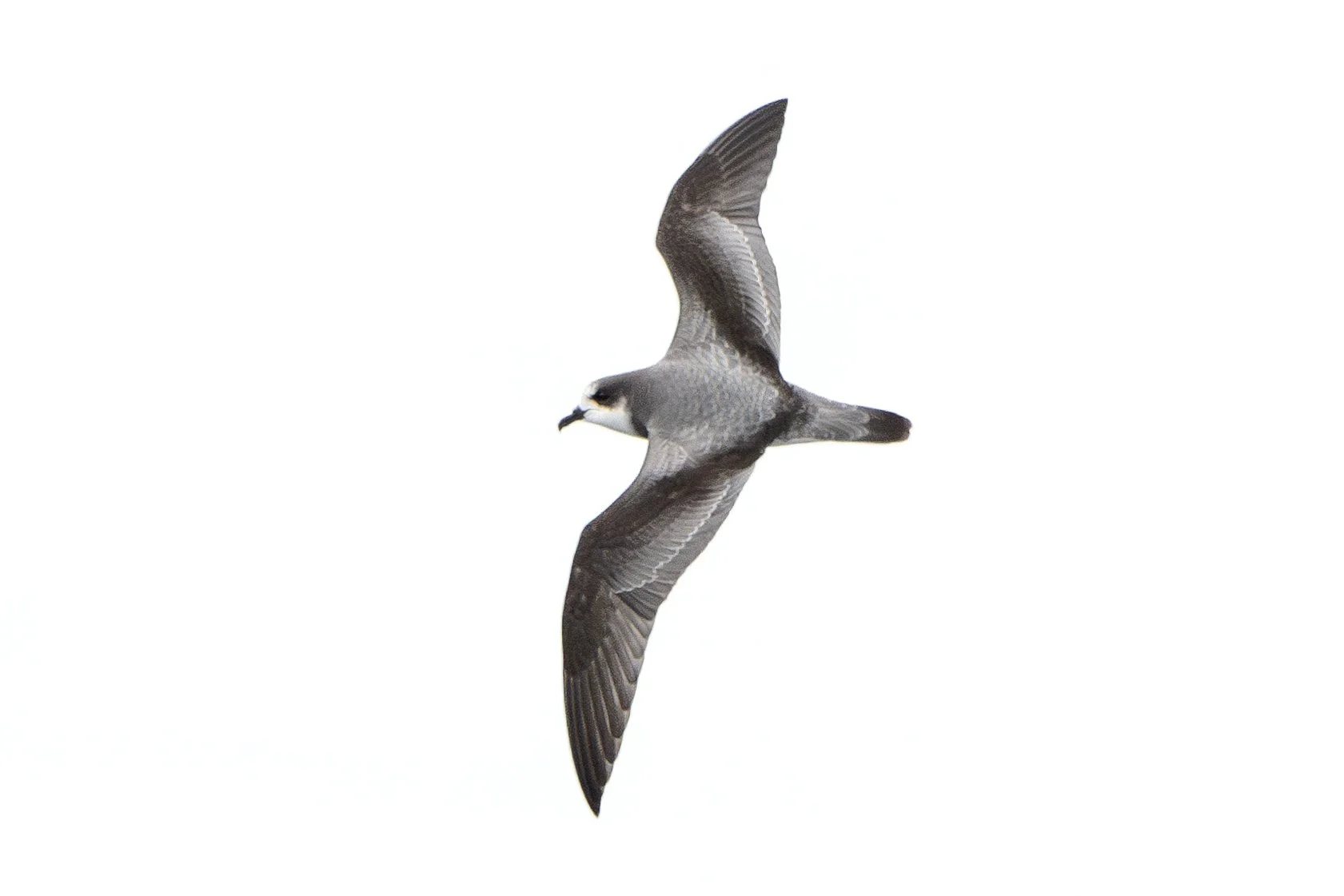
An exciting example of what can turn up on The Petrel Station seabird tours is the Stejneger’s Petrel, when we recorded the second live record for New Zealand.
This small gadfly petrel has a darker cap, a neat white notch behind the eye, and a paler underwing bar that gives it a very different look from the other Cookilaria-types. It breeds only on an island off Chile and migrates north in the eastern Pacific, so its appearance offshore from Tutukaka was a remarkable surprise.
A brilliant reminder that even in a place already famous for seabird diversity, there is always the chance of something extraordinary appearing.
Black Petrel
SPECIALTY SEABIRD of The Petrel Station
ENDEMIC SPECIES
When seen: October to May (occasionally seen at other times).
Occurrence: Common local breeder
Scientific name: Procellaria parkinsoni
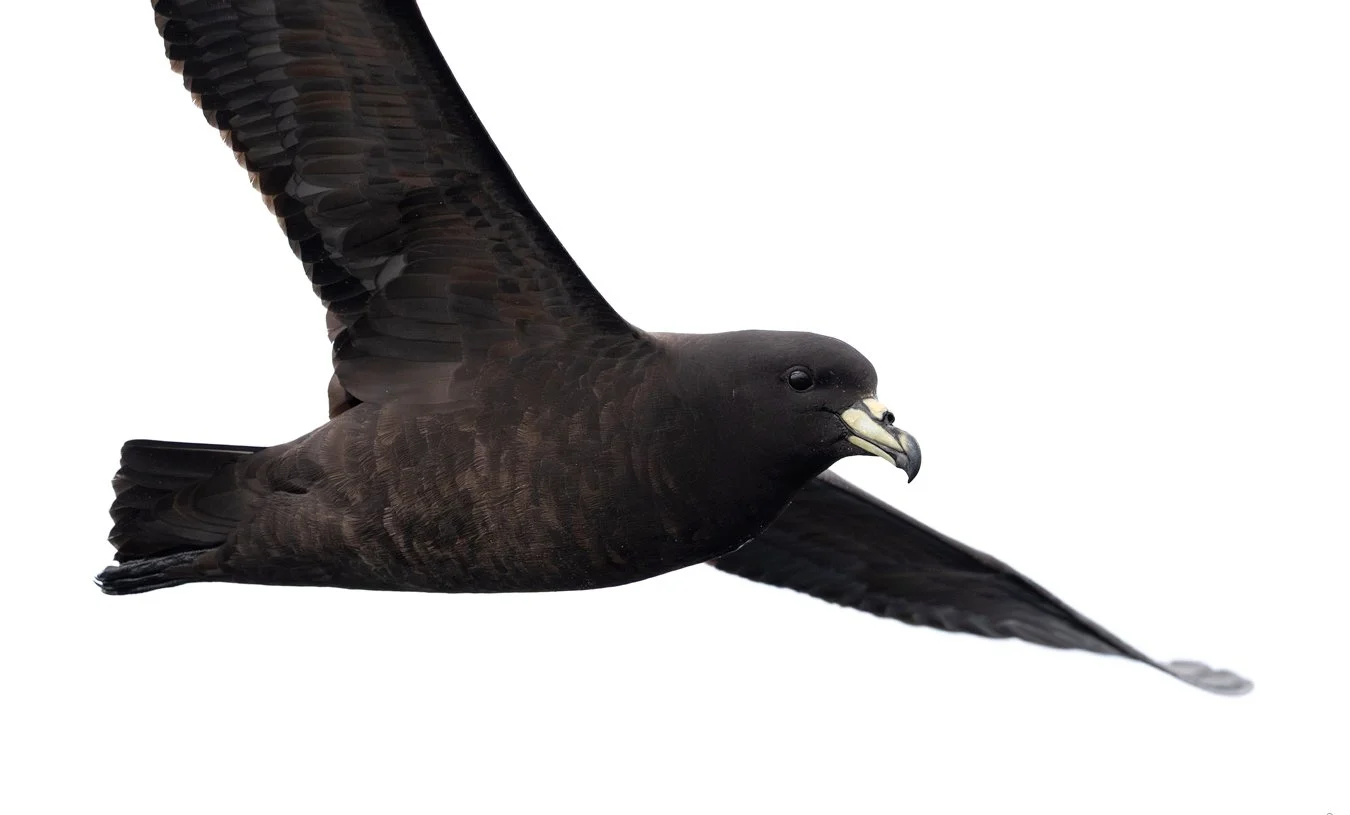
Black Petrel are another of the specialty seabirds of The Petrel Station seabird tours. In season, we can encounter them in very good numbers, often gathering right by boat, and in the right winds they’ll be soaring and hovering effortlessly nearby.
This medium-sized all-dark petrel has a pale yellowish bill with a blackish tip, and black feet. The entire world population of only around 25,000 birds breeds only on two nearby offshore islands in the Hauraki Gulf — Little Barrier Island and Great Barrier Island — which is why offshore from Tutukaka is such a special place to encounter them.
They are real characters, friendly and curious, and for many birders they are one of the most memorable seabirds of the tour. They are also known as Parkinson’s Petrel.
White-chinned Petrel

When seen: October to December (occasionally, in small numbers).
Occurrence: Occasional visitor
Scientific name: Procellaria aequinoctialis
White-chinned Petrels are an occassional spring season visitor and usually sneak in amongst the much more common Black Petrels, so it’s always exciting picking one from the bunch. They are a noticeably larger, all dark petrel, with a paler yellow bill, including the tip, and some white feathers under the bill. In New Zealand the amount of white feathers on the chin can be very small compared to other places in the world.
With a wingspan of up to 1.4 metres, they are large seabirds and always wonderful to watch when soaring around the boat.
Westland Petrel

ENDEMIC SPECIES
When seen: April and October (only very occasionally during migration).
Occurrence: Infrequent visitor
Scientific name: Procellaria westlandica
Westland Petrels are another large, dark Procellaria petrel that have to be picked out from among the much more common Black Petrels. They are noticeably bigger and broader, with a chunky pale yellow bill that usually shows a more solid black tip.
This endemic breeds only in one small location on the West Coast of New Zealand, and has a global population of only 10,000 birds. We only encounter them very occasionally offshore from Tutukaka, most likely during migration movements.
Northern Giant Petrel

When seen: April to November (in small numbers).
Occurrence: Regular visitor
Scientific name: Macronectes halli
Northern Giant Petrels are huge, powerful seabirds that immediately stand out among the smaller seabirds around them. When one cruises in or settles behind the boat, it tends to make its presence known very quickly.
They are only slightly smaller the similar looking Southern Giant Petrel, and can be told apart most reliably by the reddish tinge at the tip of the bill. Younger birds are all dark brown, becoming paler with age. With their massive-bills and sheer size these are among the most imposing petrels we encounter.
Southern Giant Petrel
When seen: May to October (only occasionally seen).
Occurrence: Occasional visitor
Scientific name: Macronectes giganteus
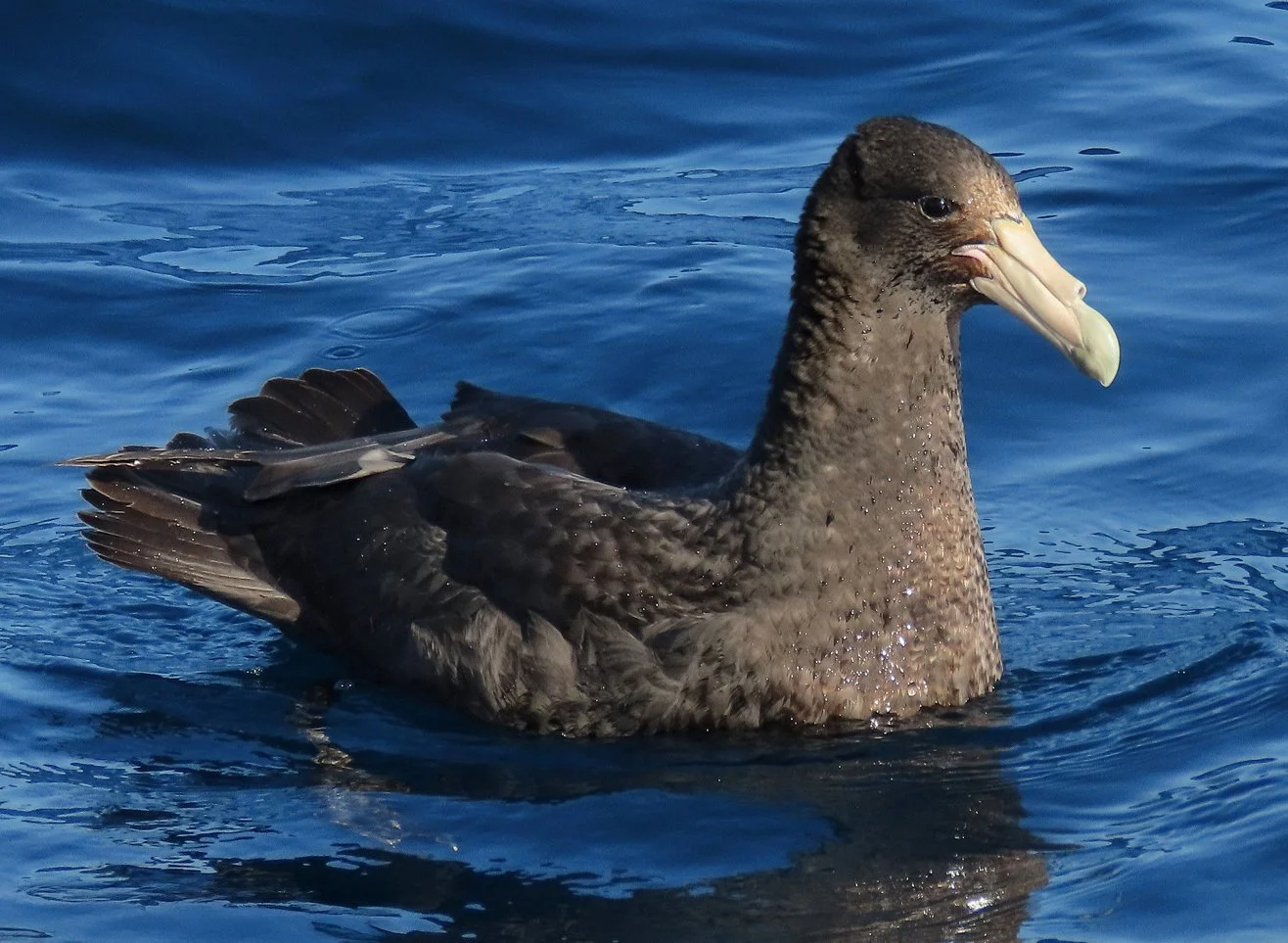
Southern Giant Petrels are the largest of all the petrel species, with wingspans of up to 2.2 metres, putting them into the same size range as some of the smaller albatross. They are always an imposing and memorable bird to encounter.
Compared to Northern Giant Petrel, they show a pale green tinge to the tip of the bill. Younger birds are all dark brown, becoming paler with age, and there’s also a stunning rare white morph with black speckles.
Like their northern counterpart, they often sit behind the boat or circle in close, and their sheer bulk makes them impossible to ignore.
Grey-faced Petrel
ENDEMIC SPECIES
When seen: April to December (occasionally seen at other times).
Occurrence: Common local breeder
Scientific name: Pterodroma gouldi
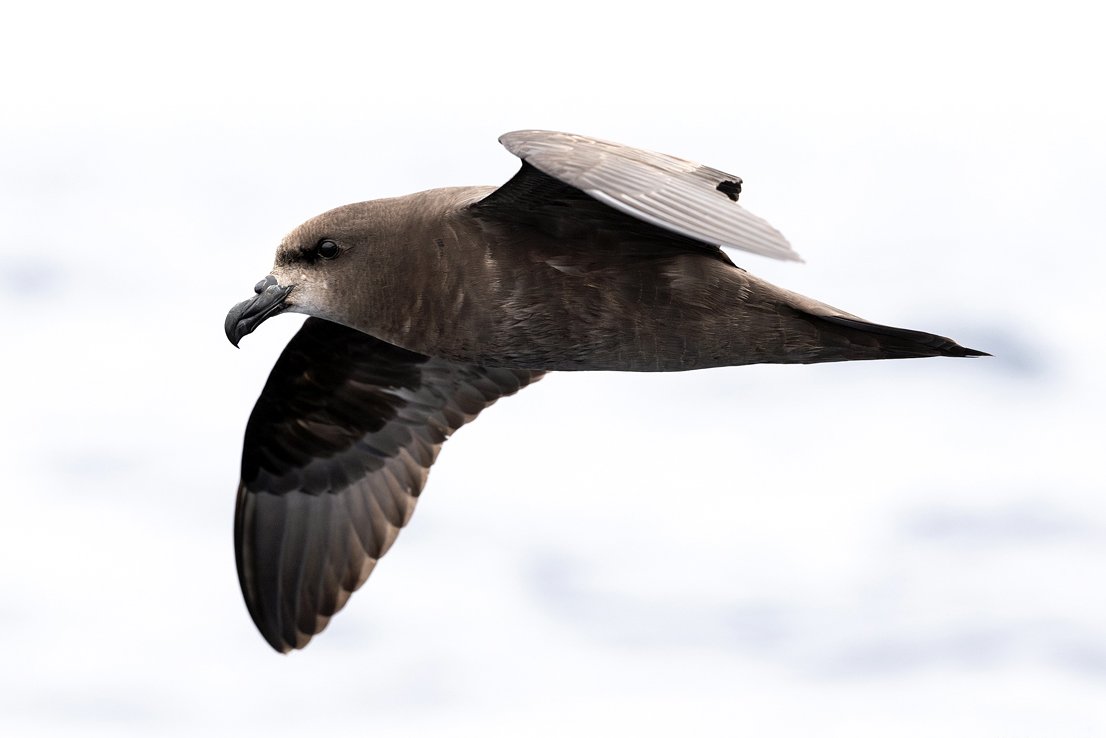
Grey-faced Petrels are a local winter breeding species, and one of the standout petrels of The Petrel Station seabird tours through winter and spring when we can encounter them in impressive numbers.
They are a large, mostly all dark gadfly petrel, with a pale grey face and a chunky dark bill. At times Grey-faced Petrels can gather behind the boat, often staying with us for long periods and giving excellent close views as they sweep and arc around us.
Providence Petrel
When seen: July (only encountered once).
Occurrence: Very rare vagrant visitor
Scientific name: Pterodroma solandri
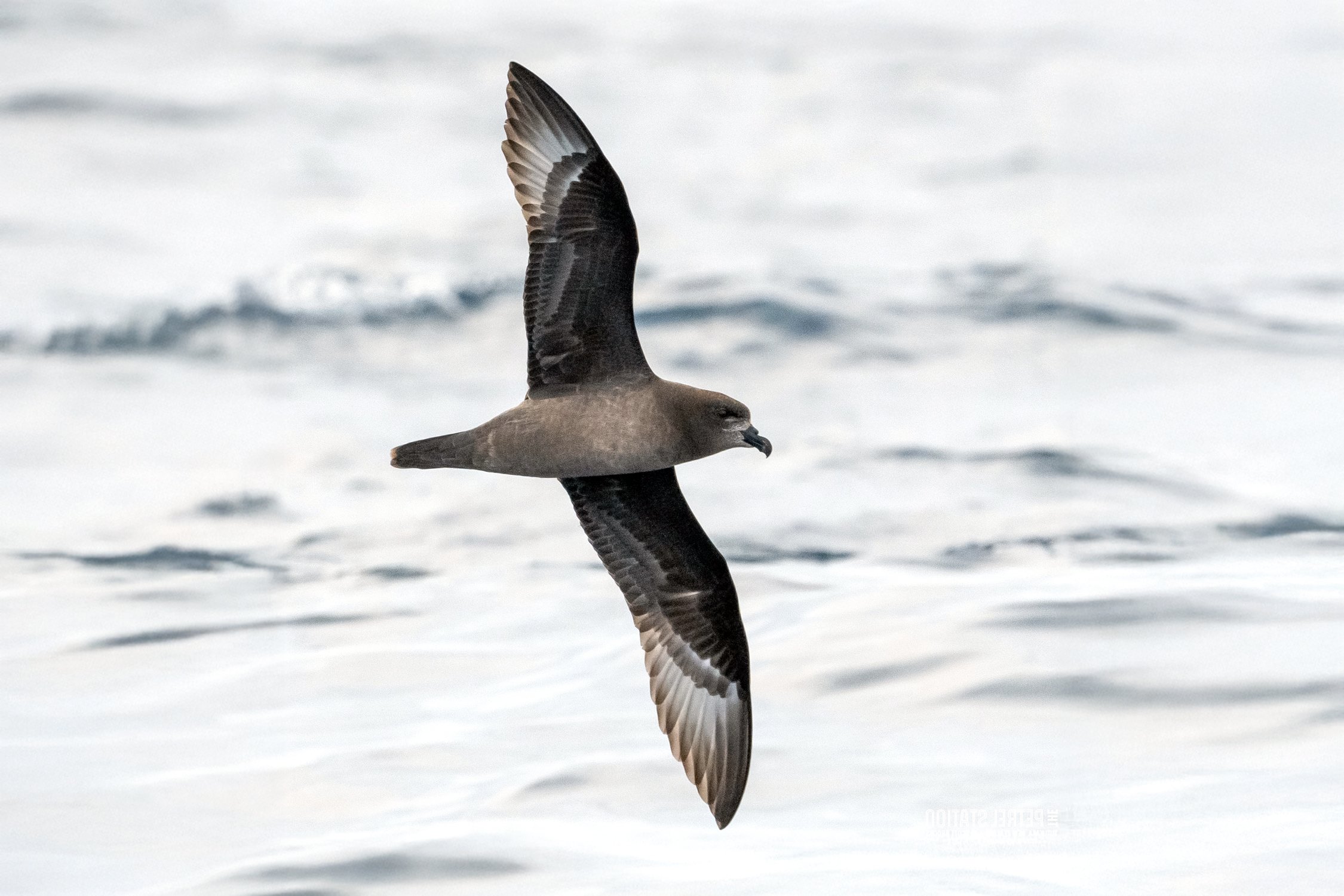
Providence Petrel is another excellent example of the surprises that can appear offshore from Tutukaka. This large gadfly petrel is superficially similar to Grey-faced Petrel, but is separated by the stunning bold white flashes in the underwing and a more scaly appearance to the feather on the upper parts above.
They only breed only in Australia and are a very rare visitor to New Zealand waters, so any encounter with one is very special.
Kermadec Petrel
When seen: January to February (only occasionally seen).
Occurrence: Very infrequent visitor
Scientific name: Pterodroma neglecta
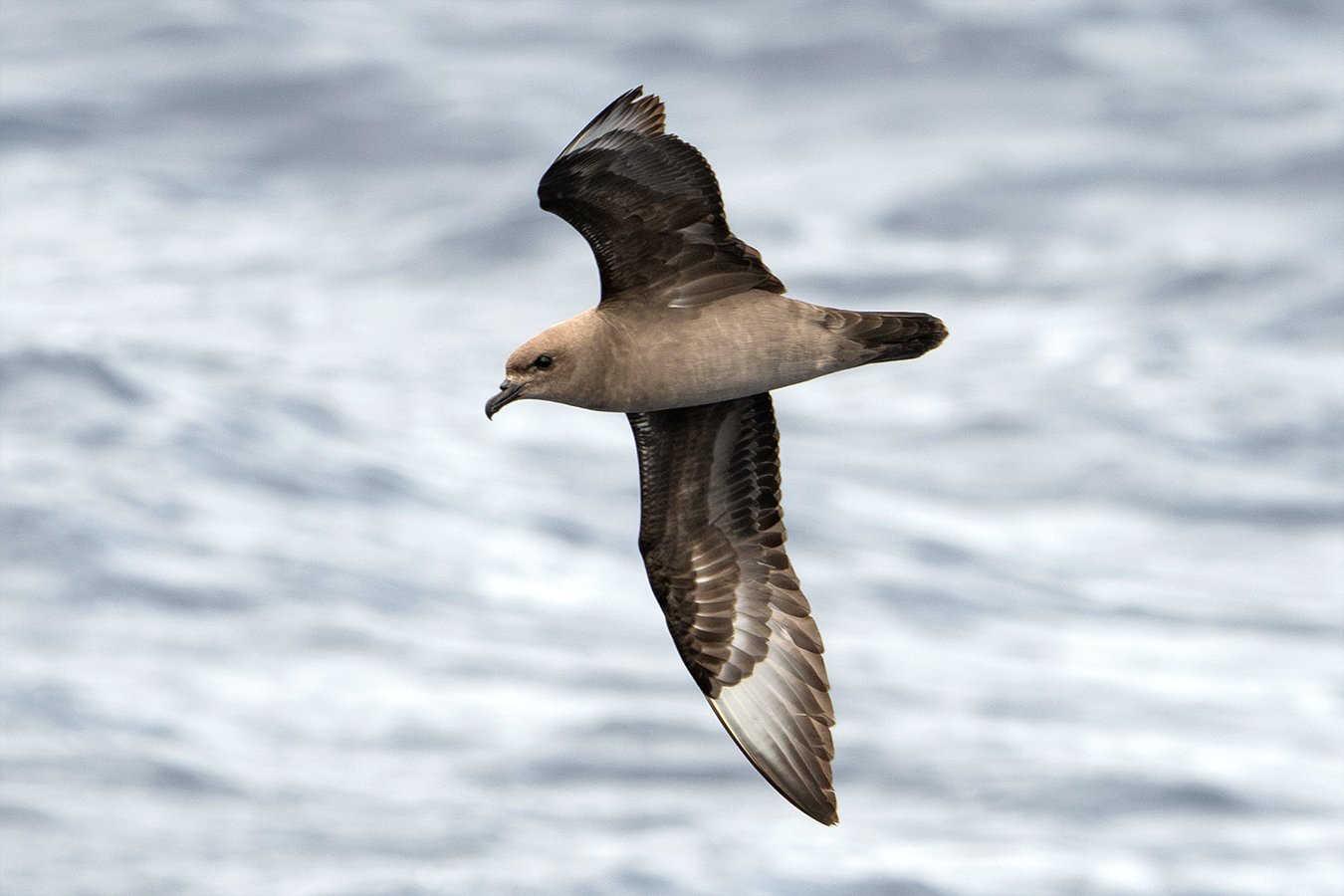
Kermadec Petrels are beautiful medium-sized gadfly petrels, and are notable for the huge variations in plumage morphs they can display, from pale through intermediate to completely dark birds. They all have dark underwings showing white flashes and dark upperwings with pale shafts near the tips.
They breed in the Kermadec Islands, around 1,000 km to the north-east, and only very occasionally make it down to mainland New Zealand in summer, so any sighting out offshore on The Petrel Station seabird tours is an exciting one.
White-necked Petrel
When seen: December to March (very occasionally seen).
Occurrence: Occasional visitor
Scientific name: Pterodroma cervicalis
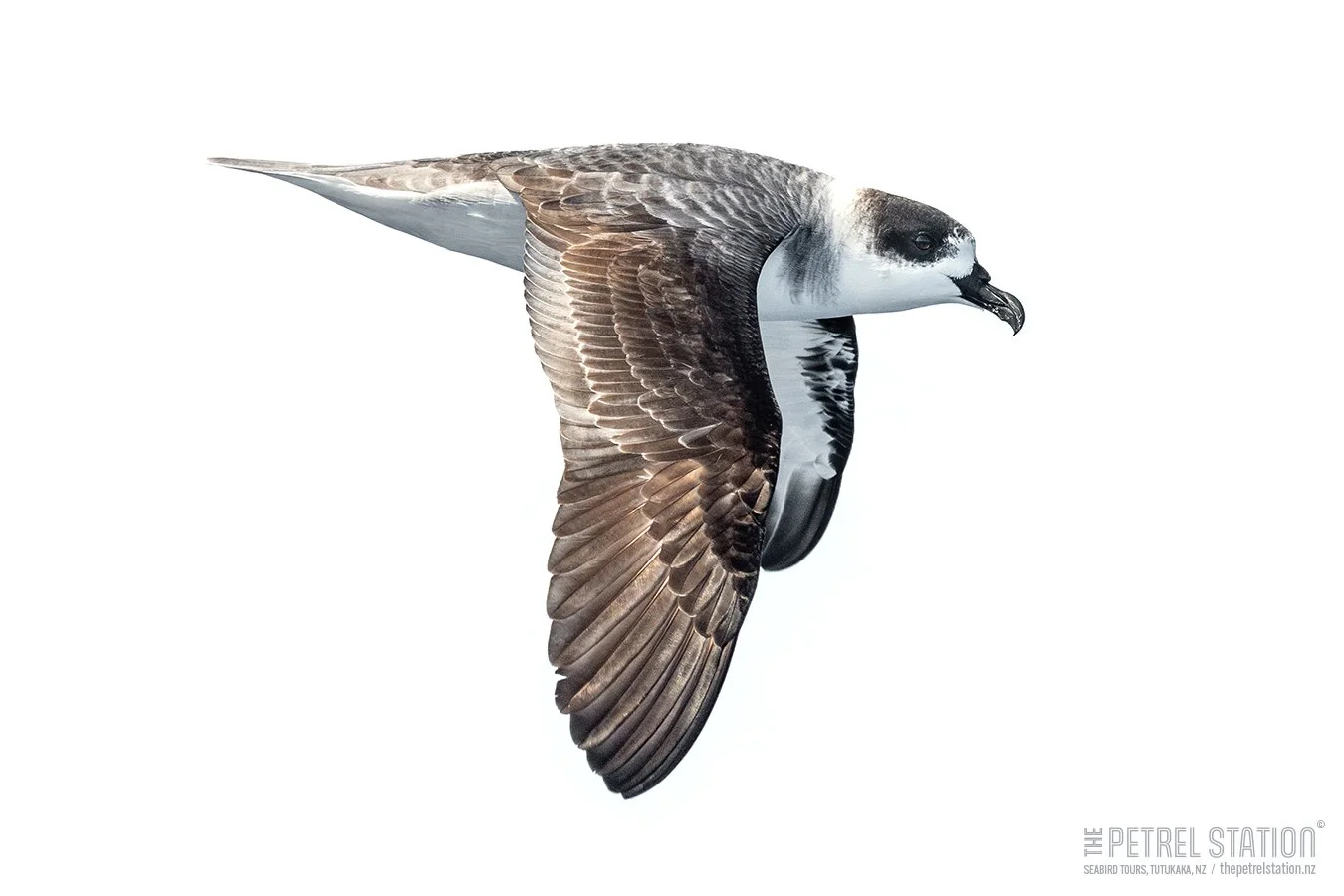
White-necked Petrels are a sub-tropical seabird species, and it’s always an absolute treat to have an encounter with them. These large gadfly petrels have a solid dark cap, white neck, chunky bill and are absolutely stunning to have gliding around us.
They breed in the Kermadec Islands, around 1,000 km to the north-east, and only occasionally make it down to mainland New Zealand in summer. While we only get them occasionally, offshore from Tutukaka is generally one of the better places in New Zealand to have a chance of encountering one. They are also known as White-naped Petrel.
Blue Petrel
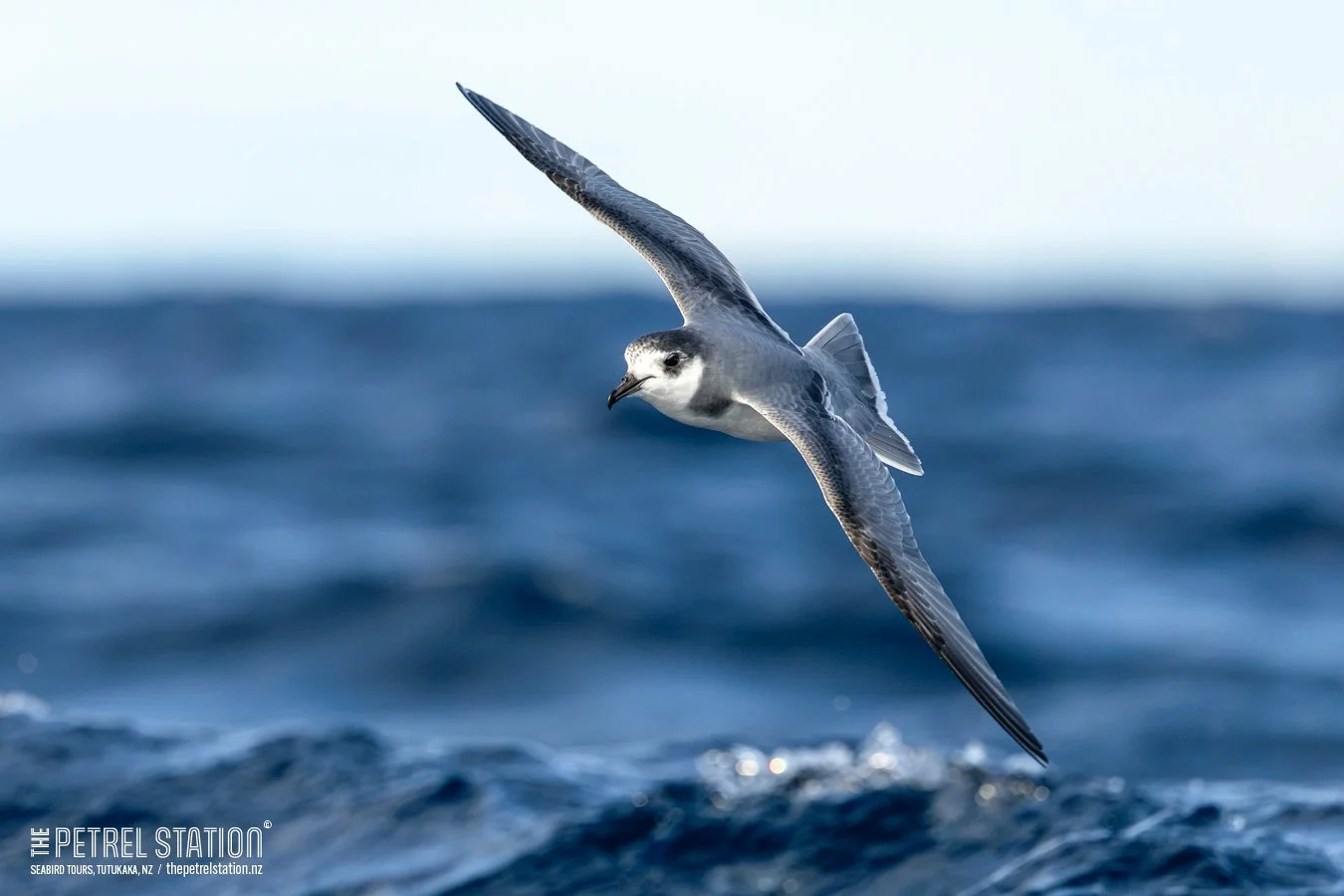
When seen: July.
Occurrence: Very rare vagrant visitor
Scientific name: Halobaena caerulea
Blue Petrel are a beautiful small petrel and one that many birders dream of seeing. With its black cap, bluish-grey upperparts recalling a prion, and diagnostic white tail tip, it is unlike anything else we encounter.
They breed in the Southern Ocean and are a rare visitor to mainland New Zealand during the cooler winter months. We had an extraordinary encounter with 60+ Blue Petrels surrounding the boat for the whole day during a tour in July 2026 — a fantastic example of just how special pelagic birding here can be.
Grey Petrel
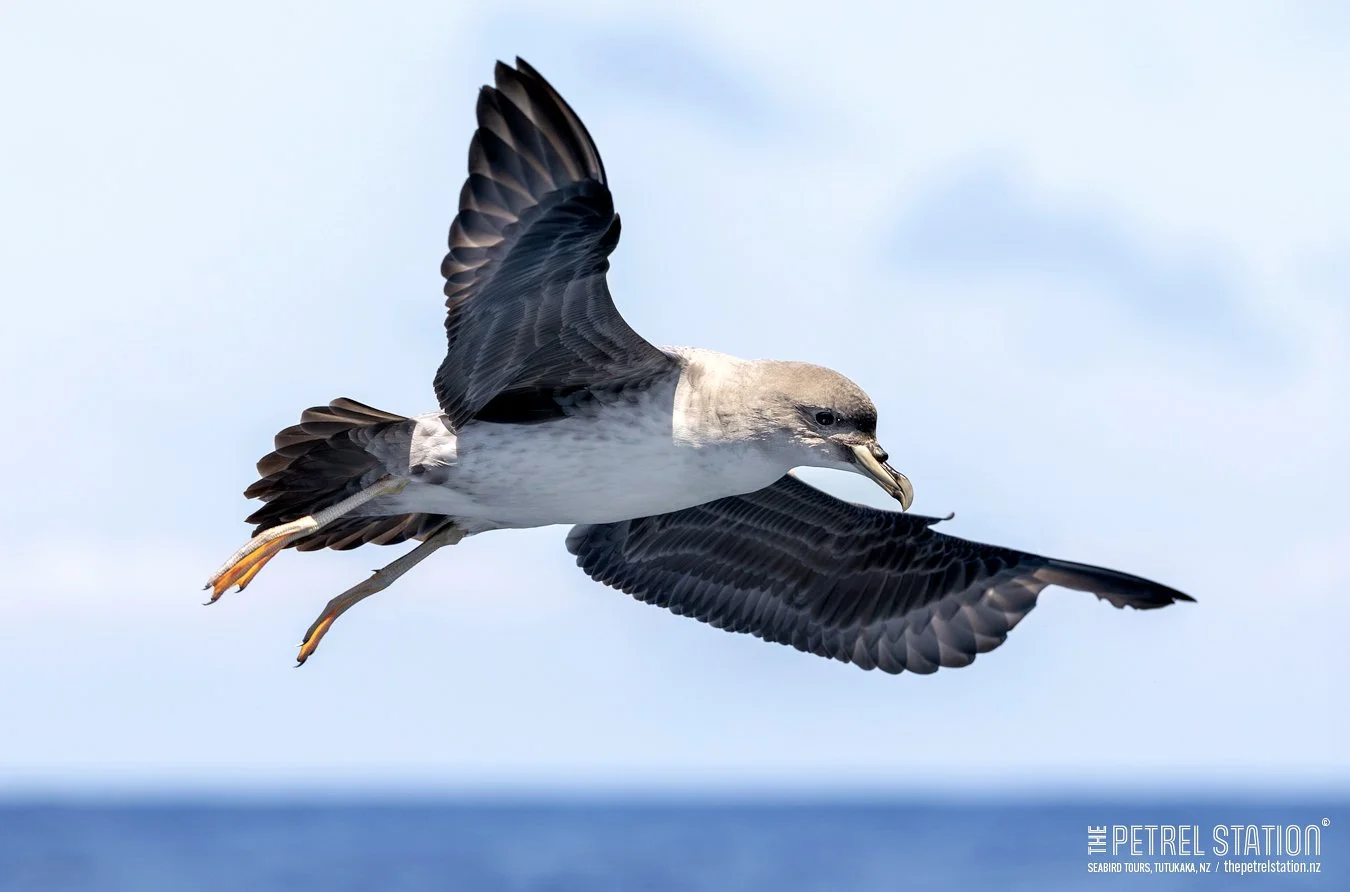
When seen: October to November (only occasionally seen).
Occurrence: Infrequent visitor
Scientific name: Procellaria cinerea
Grey Petrels are stunning large petrels and they are always a standout when one appears. With their grey upperparts, white underparts, dark underwings, and yellow bill and feet, they look unlike anything else we regularly encounter.
They breed in the Southern Ocean and only very occasionally make their way north to our area in spring. When one does drop in, it will often hang around the boat for a while and put on quite a show.
CAPE Petrel
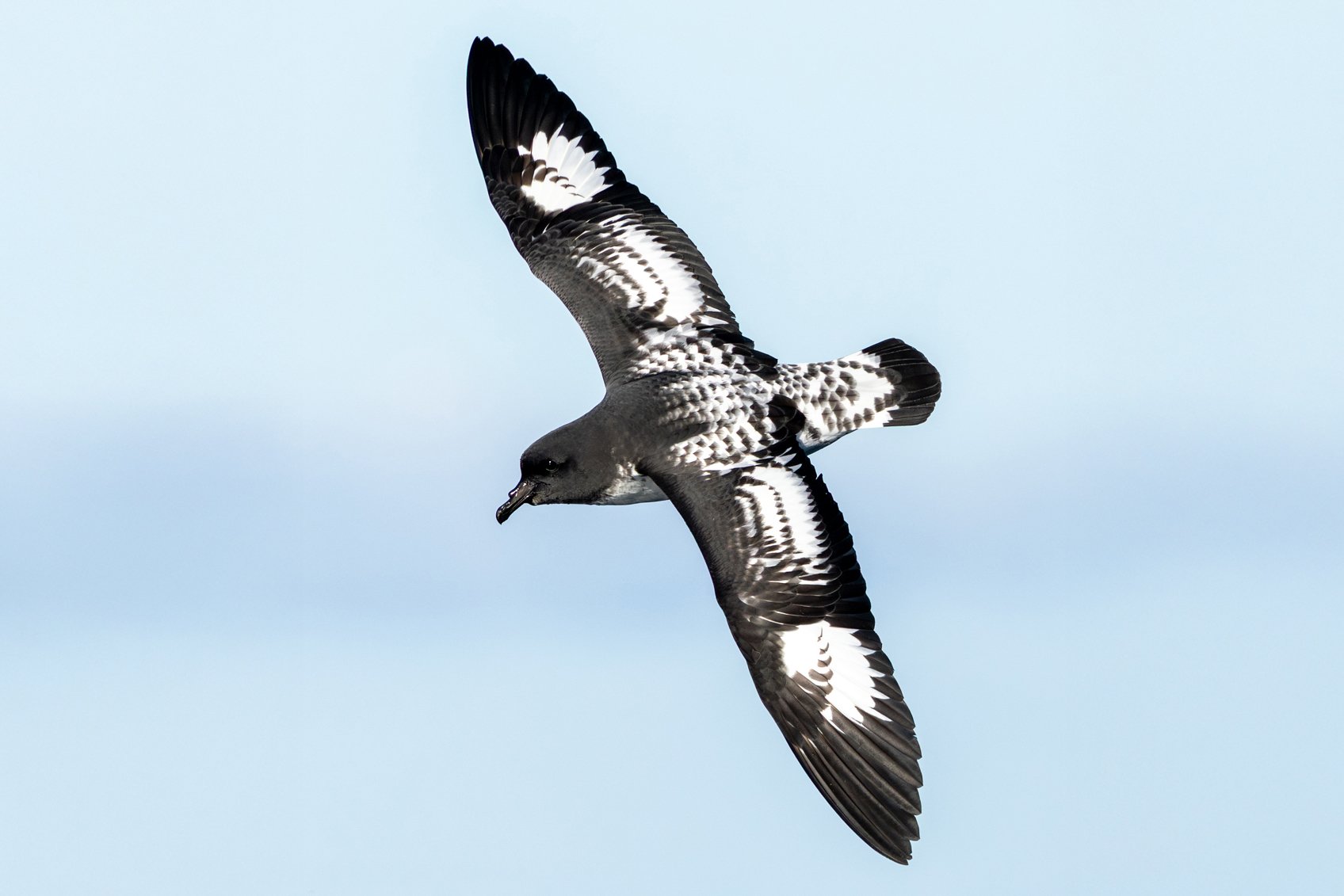
When seen: May to October (in small numbers).
Occurrence: Occasional visitor
Scientific name: Daption capense
Cape Petrels are incredibly beautiful birds, with a bold black-and-white chequered pattern that makes them one of the most eye-catching petrels we encounter. They are also among the most entertaining, full of character and often delightfully chatty around the boat.
They can show up in the cooler months and will often hang around for quite a while, giving excellent views. We can encounter both subspecies here — ssp. capense, which breeds around Antarctic and subantarctic islands outside New Zealand, and the Snares Cape Petrel ssp. australe, which breeds in the New Zealand subantarctic region.
They are also known as Pintado Petrel.
White-headed Petrel
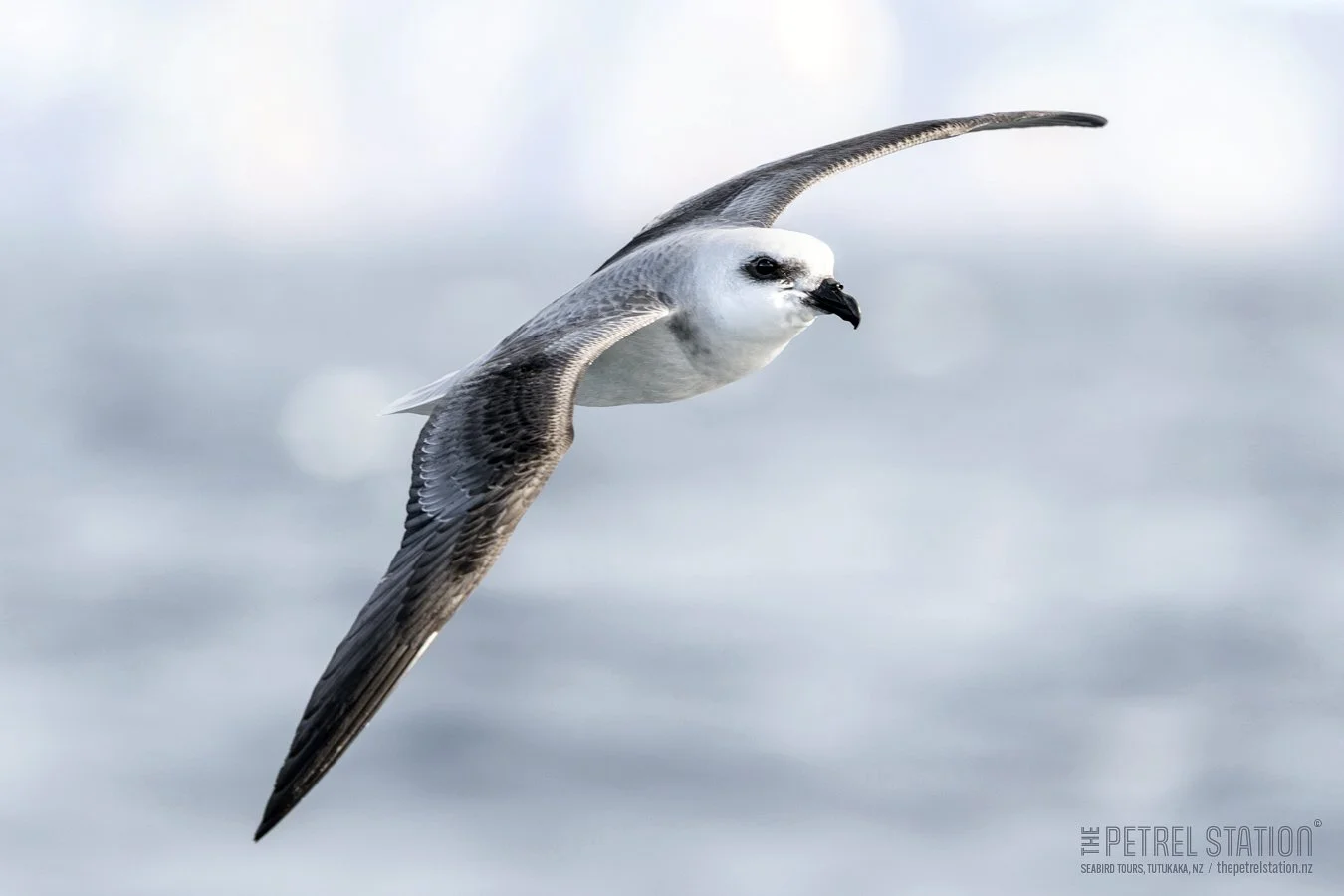
When seen: July to October.
Occurrence: Very infrequent visitor
Scientific name: Pterodroma lessonii
White-headed Petrels are stunning large gadfly petrels with a striking white head and dark underwings, and any sighting offshore from Tutukaka is a very good one.
They breed in the Southern Ocean and are scarce visitors to northern waters, most likely during cooler months, making them another notable species on the petrel list.
Common Diving Petrel
SPECIALTY SEABIRD of The Petrel Station
When seen: March to December (occasionally seen at other times).
Occurrence: Common local breeder
Scientific name: Pelecanoides urinatrix
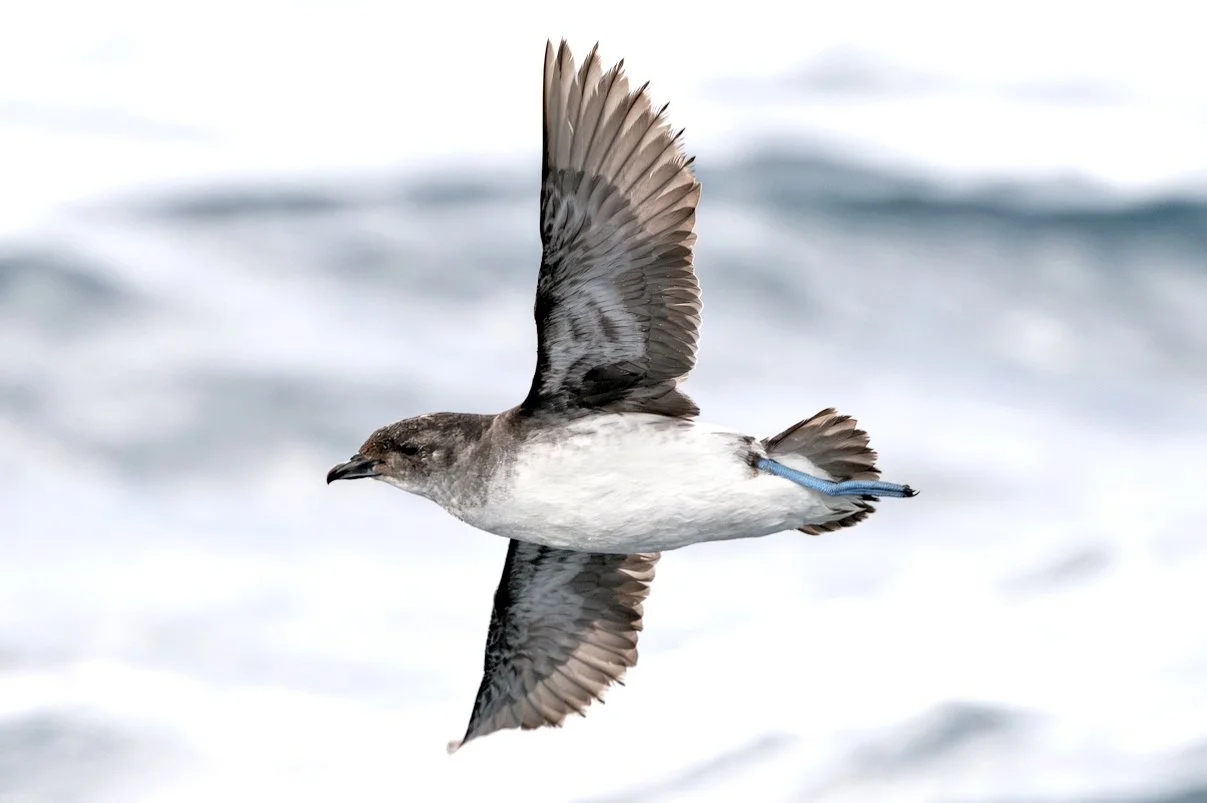
Common Diving Petrels are the smallest petrels regularly encountered on The Petrel Station seabird tours and are pretty entertaining. Tiny, energetic, and often comically frantic, they usually fly low over the water with continuous rapid wingbeats, or dive under the surface to hide.
They breed locally in big numbers in winter, and we can sometimes encounter 1,000+ birds on our winter tours, when they’ll be diving under then popping back up or flying off in all directions. They are also famously difficult to photograph, which only seems to make people try even harder.

Experience these stunning seabirds for yourself
Join The Petrel Station seabird tours for a memorable day offshore among New Zealand’s extraordinary seabird life.
This is just one of the remarkable seabird species groups we’ve recorded on The Petrel Station seabird tours – also explore the Albatross, Shearwaters, Storm Petrels, Prions, Skuas and other seabird species seen.
Our Seasons page has an overview of when species could be encountered, and our Past Tour Reports include fascinating insights into what we’ve recorded offshore. We also recommend the very informative www.nzbirdsonline.org.nz