

Other Seabirds of The Petrel Station
Tutukaka, New Zealand
The Petrel Station also records a diverse supporting cast of other seabird species, from Grey Noddy, Grey Phalarope and Little Penguin to Gannets, Terns, Gulls, and Shags, all adding to the diversity of the day.
13
OTHER SEABIRD SPECIES SEEN
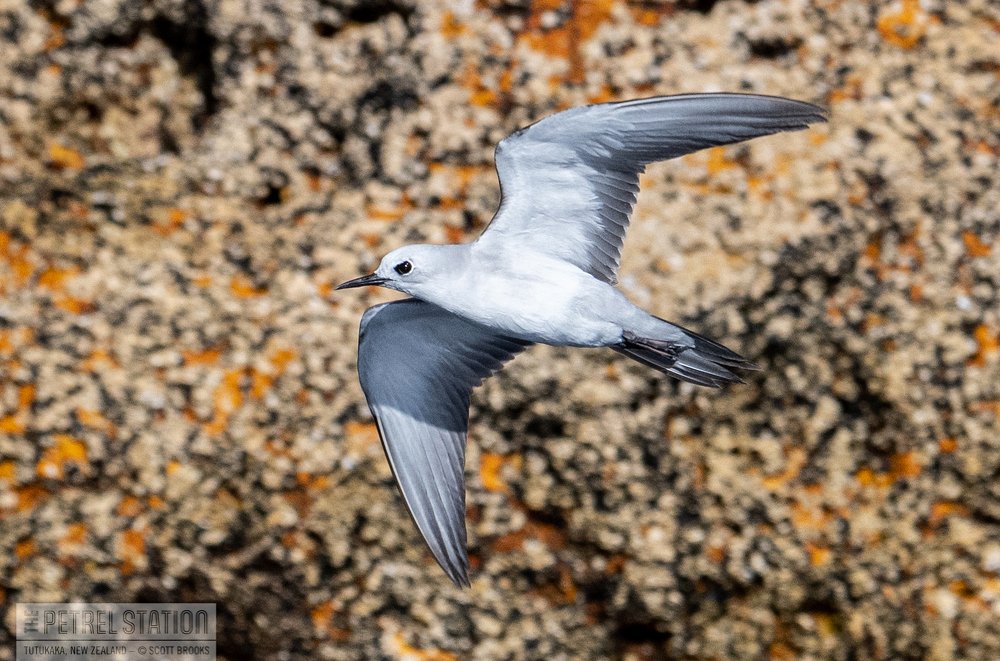
Amongst this group, our standout specialty is the scarce Grey Noddy, a beautiful tropical seabird that visits our area in summer, and is a real highlight for many birdwatchers coming out with us.
There are also important Australasian Gannet and Red-billed Gull colonies on the offshore islands we visit, while Little Penguin, New Zealand’s most northern breeding penguin, breeds locally as well.
Below are the other seabird species we’ve recorded on The Petrel Station seabird tours, and when they’re most likely to be seen — though sightings can occur outside these times.
JUMP TO SPECIES:
Grey Noddy • Little Penguin • Australasian Gannet • Grey Phalarope • Arctic Tern • White-fronted Tern • Caspian Tern • Red-billed Gull • Southern Black-backed Gull • Pied Shag • Black Shag • Little Black Shag • Little Shag
Grey Noddy
SPECIALTY SEABIRD of The Petrel Station
When seen: December to April (and occasionally a month either side).
Occurrence: Regular seasonal visitor
Scientific name: Anous albivitta
From December to late April, the delightful Grey Noddy return to the Poor Knights Islands and are one of our summer tour highlights. In mainland New Zealand, they are known to visit only a handful of offshore rock stack islands, and our tours are the best place to see them – making them a real specialty seabird of The Petrel Station seabird tours. Grey Noddy generally breed in the Kermadec Islands, around 1,000 km to the north-east.
Numbers of Grey Noddy tend to build through summer as more birds arrive, and on past tours we have recorded up to 225 individuals. They are also known as Grey Ternlet.
Little Penguin
When seen: August to March (occasionally seen at other times).
Occurrence: Regular local breeder
Scientific name: Eudyptula minor
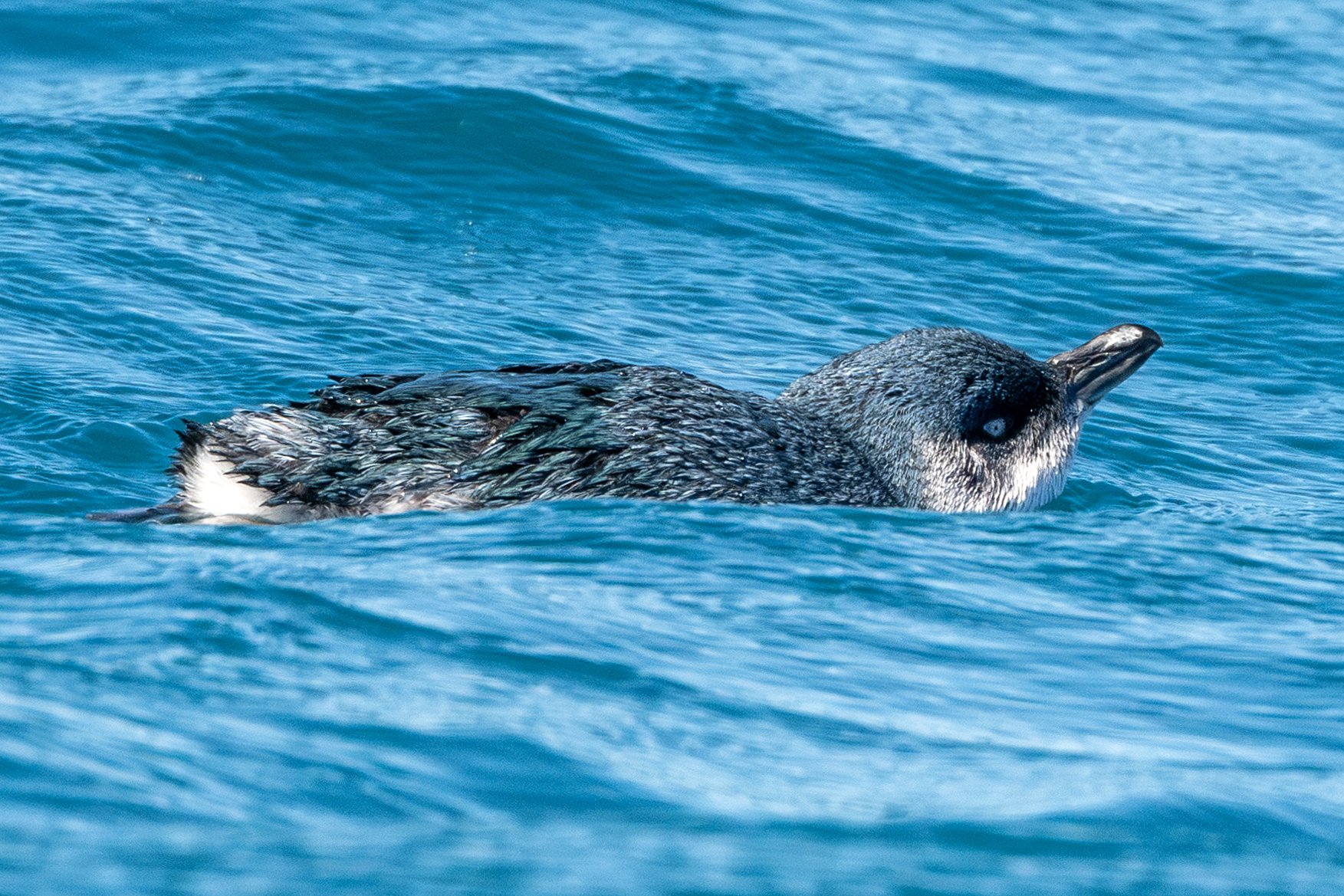
Little Penguin are the world’s smallest penguin species , and its always a real treat to encounter one offshore.
They breed in small patches along the Tutukaka Coast, and we semi-regularly come across them in small numbers, especially around the breeding season.
Australasian Gannet

When seen: Year round
Occurrence: Abundant local breeder
Scientific name: Morus serrator
Australasian Gannets are among the great hunters of the seabird world, and one of the species other seabirds often watch closely to see where the food is. When feeding, these striking birds plunge from great heights like torpedoes straight into swarming baitfish — a spectacular sight, especially when lots of gannets are diving at once during a big feeding frenzy workup event.
There is a large colony of Australasian Gannets on the Poor Knights Islands, so they are regularly encountered on The Petrel Station seabird tours.
Grey Phalarope
When seen: July (only encountered once)
Occurrence: Very rare vagrant visitor to New Zealand
Scientific name: Phalaropus fulicarius
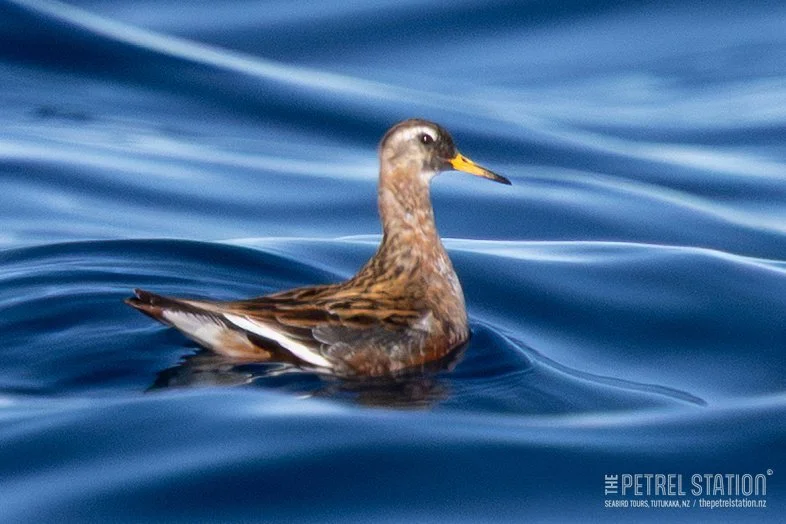
A Grey Phalarope is another of the remarkable rarities recorded on The Petrel Station seabird tours, and a perfect example of how you never know what might turn up. Grey Phalaropes have only been recorded 10 times in New Zealand, making this an exceptionally scarce bird to encounter.
This small, stunning bird showed up in it's striking breeding plumage and should have been up in its breeding grounds in the Arctic at this time of year! Most migrate along the west coast of the Americas, so one appearing this far west in New Zealand waters is a real treat. Also known as Red Phalarope.
Arctic Tern
When seen: July (only encountered once)
Occurrence: Very rare vagrant visitor to New Zealand
Scientific name: Sterna paradisaea
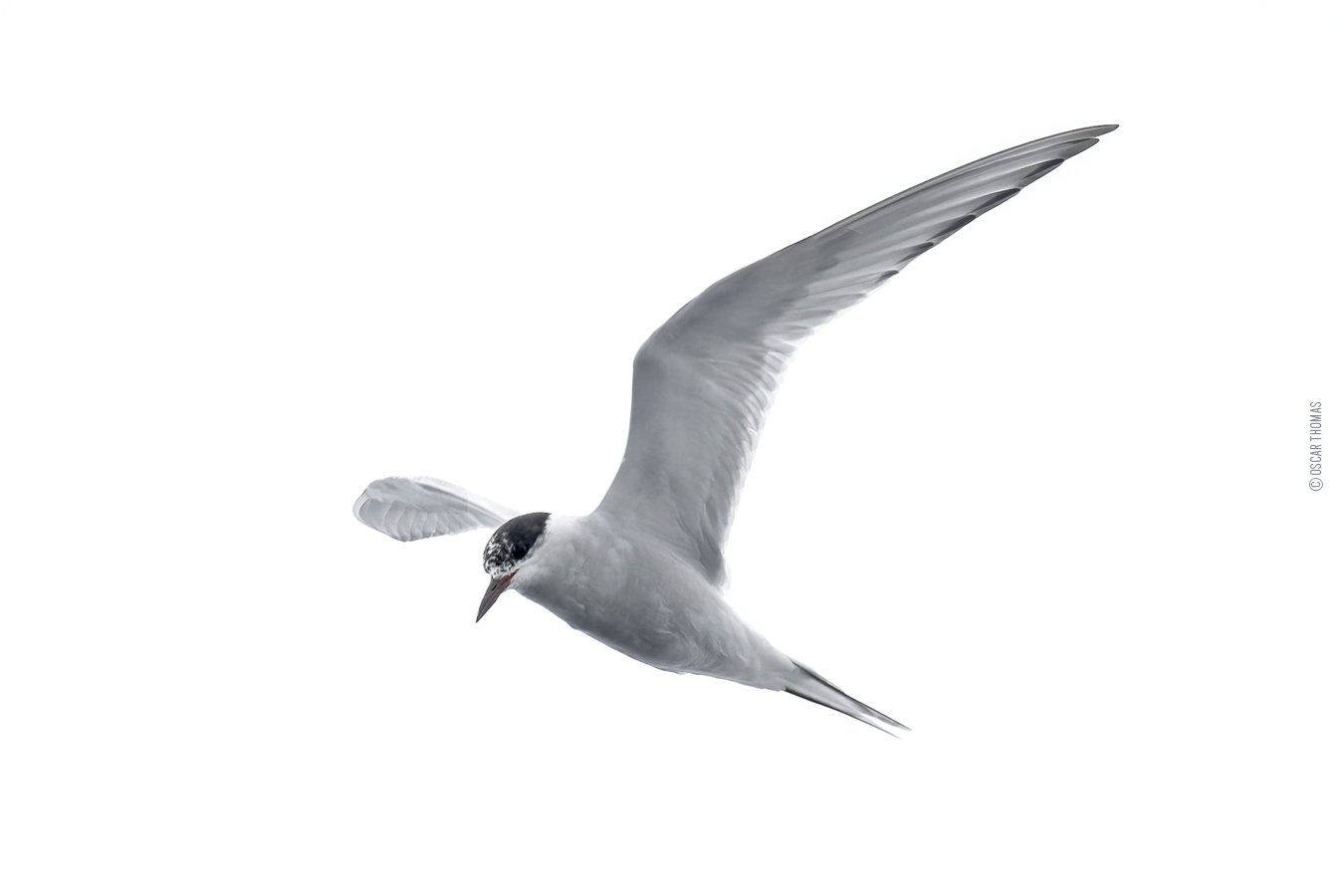
Arctic Terns complete one of the greatest migrations in the natural world, travelling from the Arctic to the Antarctic and back each year, with some flying over 80,000 km.
They are very scarce in New Zealand and so far we’ve only recorded them once, so any sighting is special. They can also be tricky to separate from several other tern species found in New Zealand.
White-fronted Tern
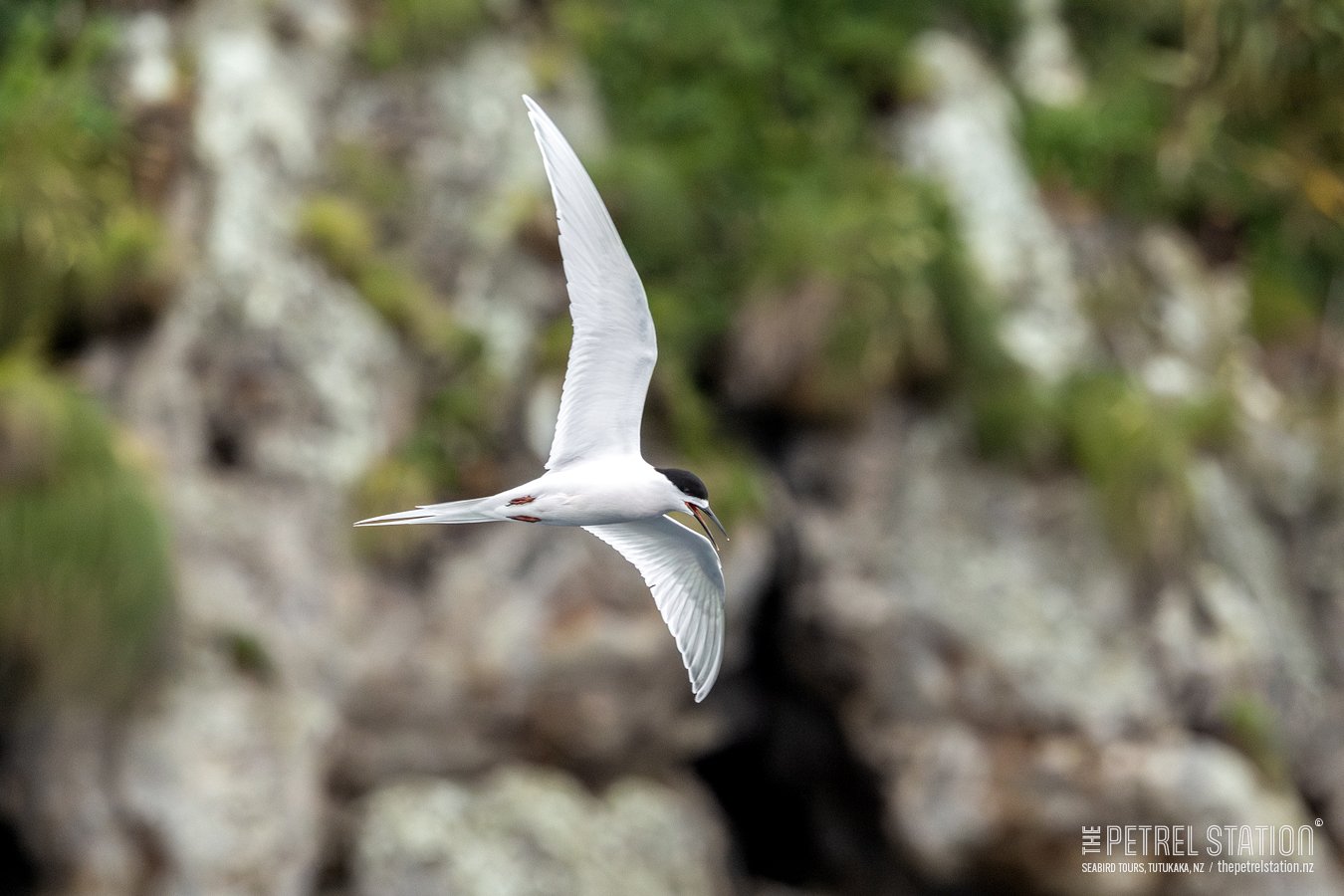
When seen: Year round
Occurrence: Regular local breeder
Scientific name: Sterna striata
White-fronted Terns are the most common tern species in New Zealand and a familiar part of the coastal seabird scene. Usually found closer to the coast or around the islands, they are very graceful seabird that we’ll sometimes encounter out amongst the huge offshore feeding workups.
Caspian Tern

When seen: Year round in Tutukaka harbour
Occurrence: Infrequent local breeder
Scientific name: Hydroprogne caspia
Caspian Terns are the largest tern species in the world, and with a 1 metre wingspan they’re impressive birds to see. They are especially striking to watch when hunting, as they patrol the harbour and then suddenly dropping down to snatch prey from the ocean surface.
Red-billed Gull
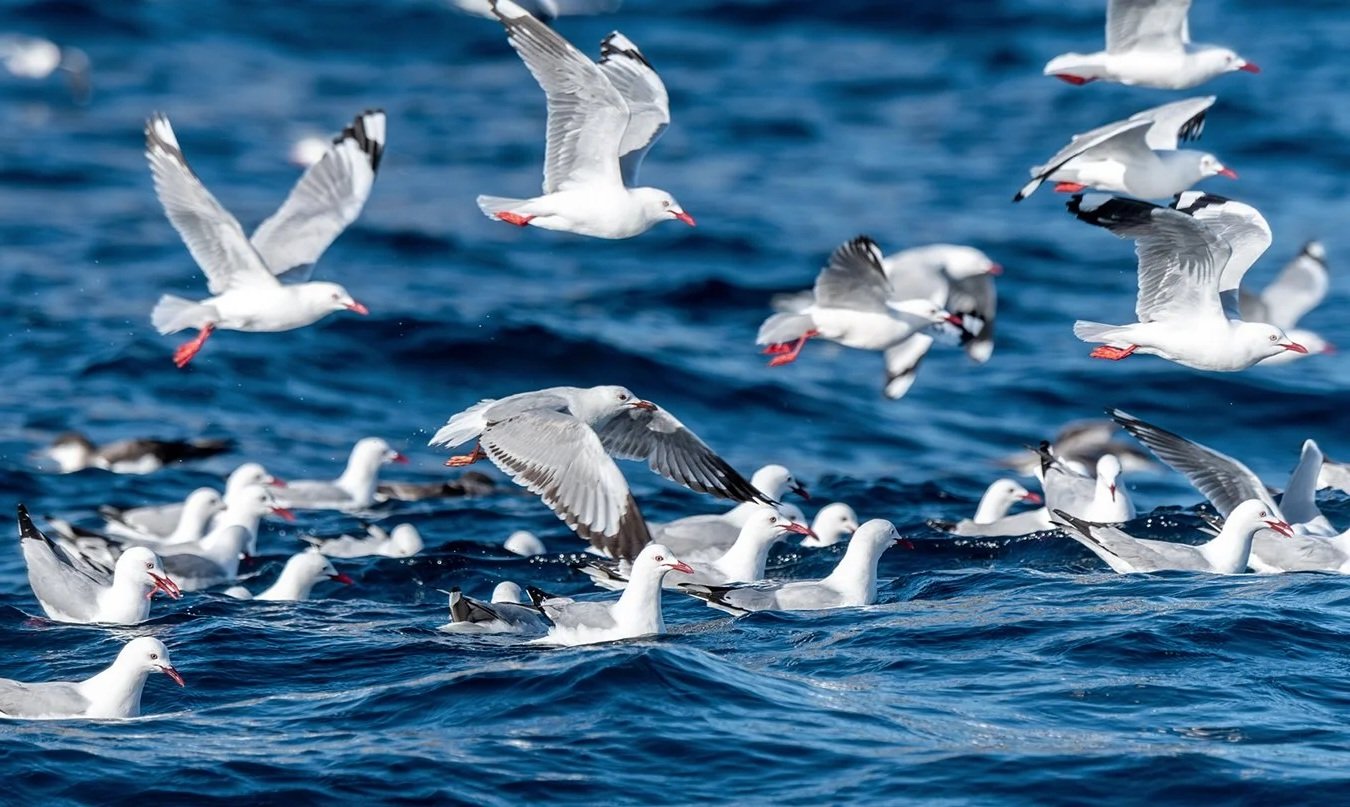
When seen: Year round
Occurrence: Common local breeder
Scientific name: Larus novaehollandiae scopulinus
Red-billed gulls breed in quite large numbers on the nearby offshore islands, and at times we can encounter big groups of them. One of the special things about getting to encounter them well offshore is seeing them feeding naturally on marine food such as zooplankton, rather than scavenging chips and scraps around towns and wharves.
During the huge feeding frenzy workups there is often several hundred Red-billed Gulls mixed in among thousands of Buller’s Shearwaters and Fairy Prion, adding even more energy to the spectacle.
Southern Black-backed Gull
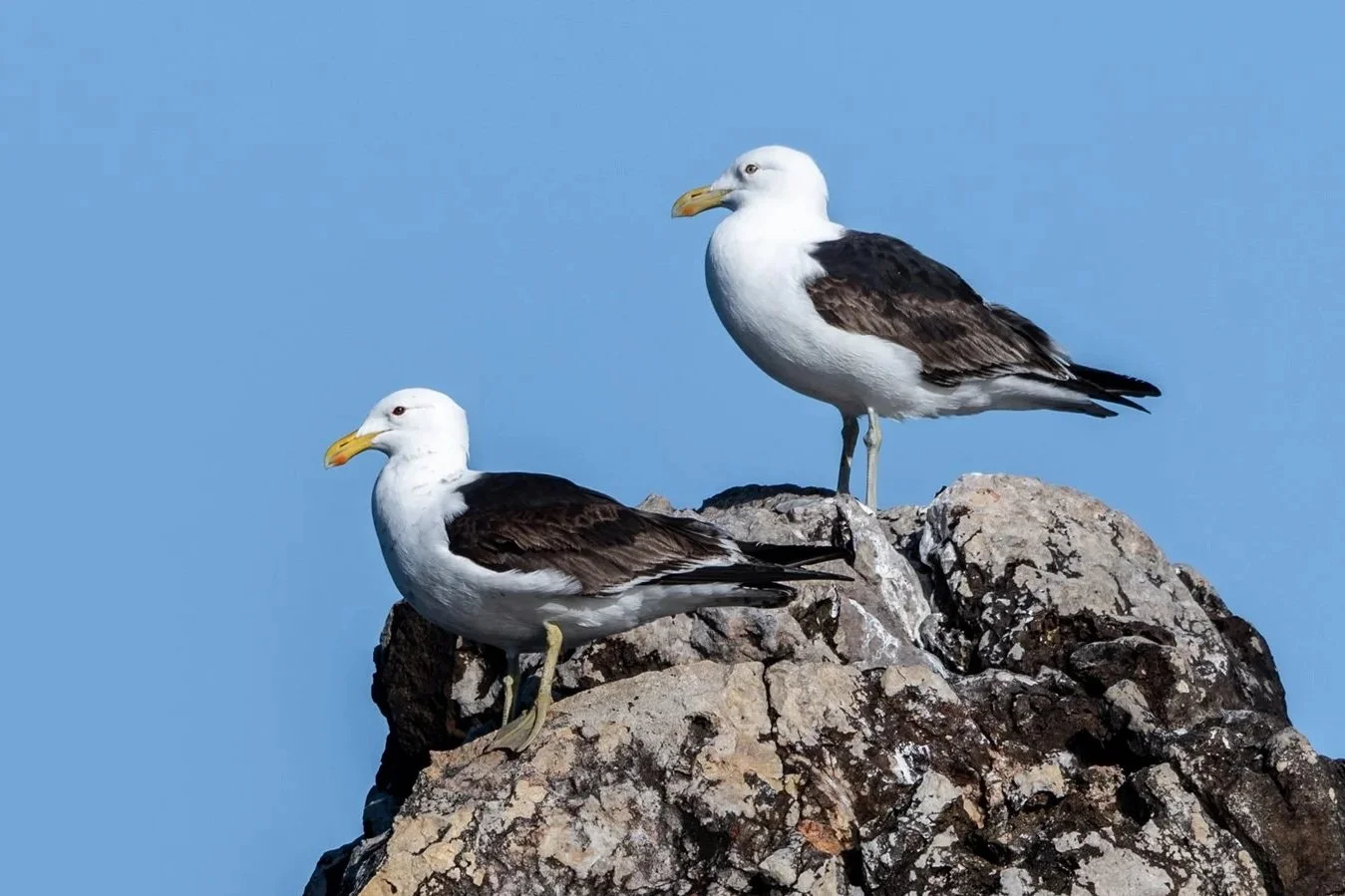
When seen: Year round (in small numbers)
Occurrence: Common local breeder
Scientific name: Larus dominicanus
Southern Black-backed Gulls are the largest gull regularly encountered on the New Zealand coast, and their size makes them an impressive bird to see. We usually encounter them in small numbers around the harbour, and offshore.
Pied Shag
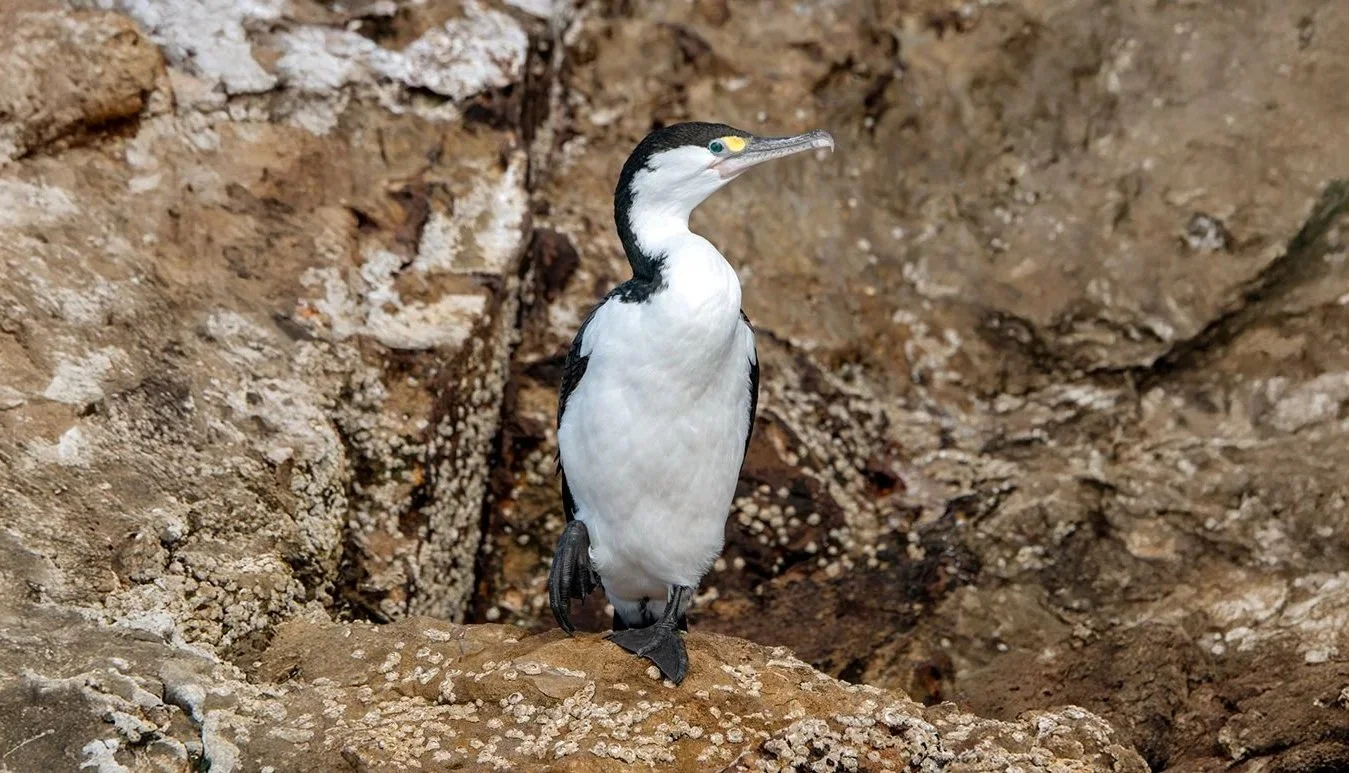
When seen: Year round in Tutukaka harbour
Occurrence: Common local breeder
Scientific name: Phalacrocorax varius
Pied Shags are large, striking shags with vivid blue eye-rings and yellow facial skin. We have a small colony nesting in the pōhutukawa trees around Tutukaka, so they are a regular sight on tour – whether perched in the trees, flying overhead, or hunting in the harbour.
Known as Pied Cormorant in some parts of the world.
Black Shag
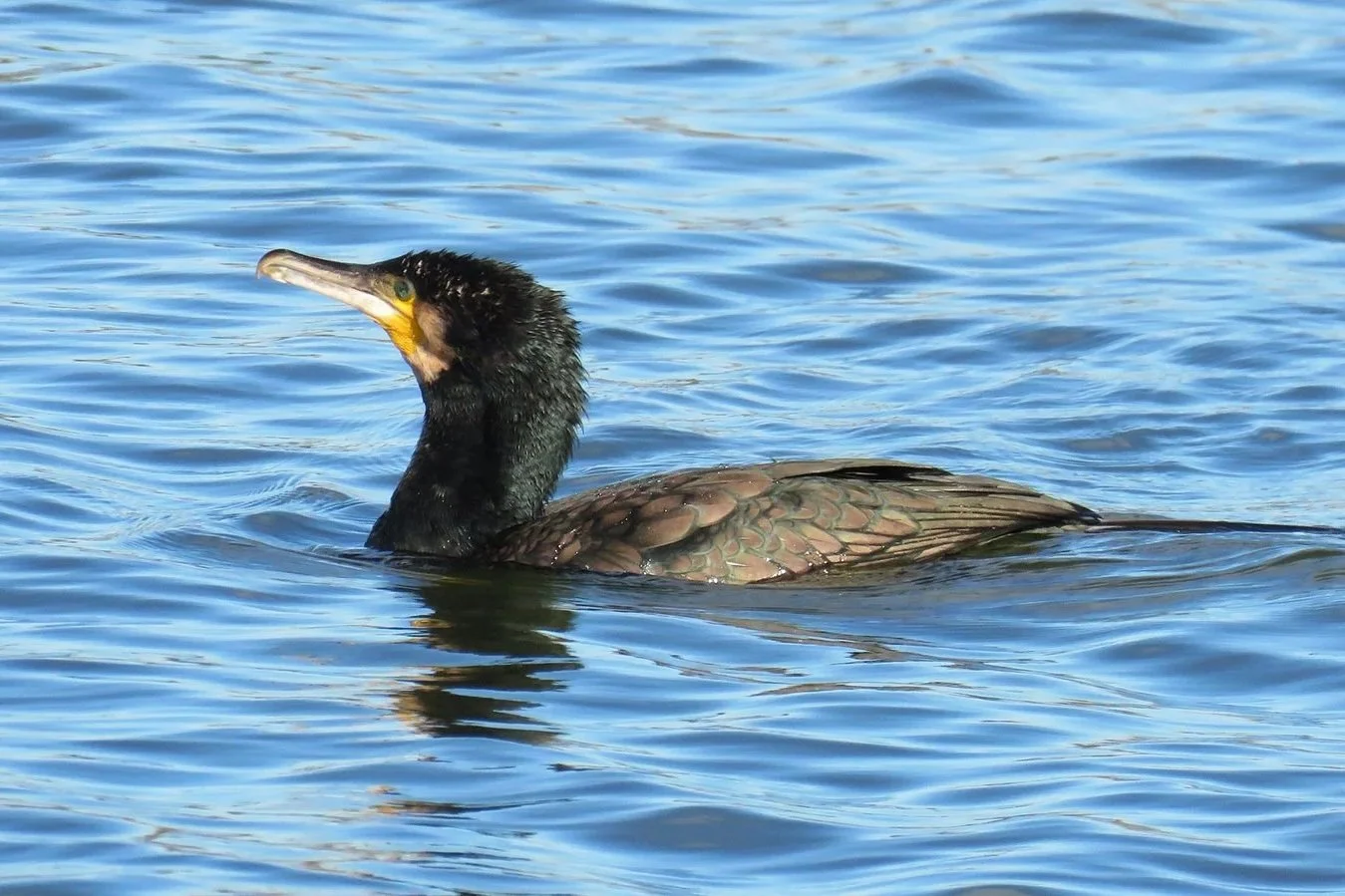
When seen: Year round in Tutukaka harbour
Occurrence: Infrequent local breeder
Scientific name: Phalacrocorax carbo
Black Shags are large, powerful-looking birds, usually seen alone rather than in groups. Although we do not encounter them very often they are always an impressive sight to see around the harbour.
Known as Black Cormorant in some parts of the world.
Little Black Shag
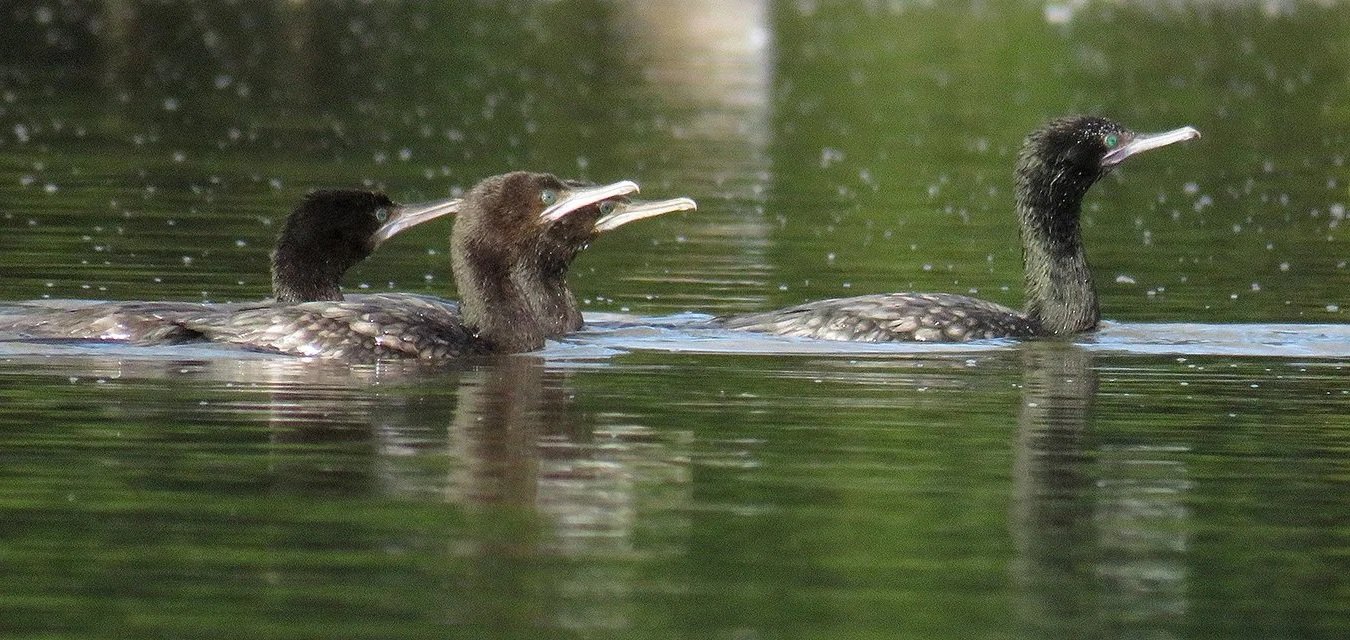
When seen: Year round in Tutukaka harbour
Occurrence: Regular local breeder
Scientific name: Phalacrocorax sulcirostris
These stunning shags, with dark plumage and striking emerald-green eyes, are sometimes encountered, either roosting or diving for fish in the harbour.
Known as Little Black Cormorant in some parts of the world.
Little Shag
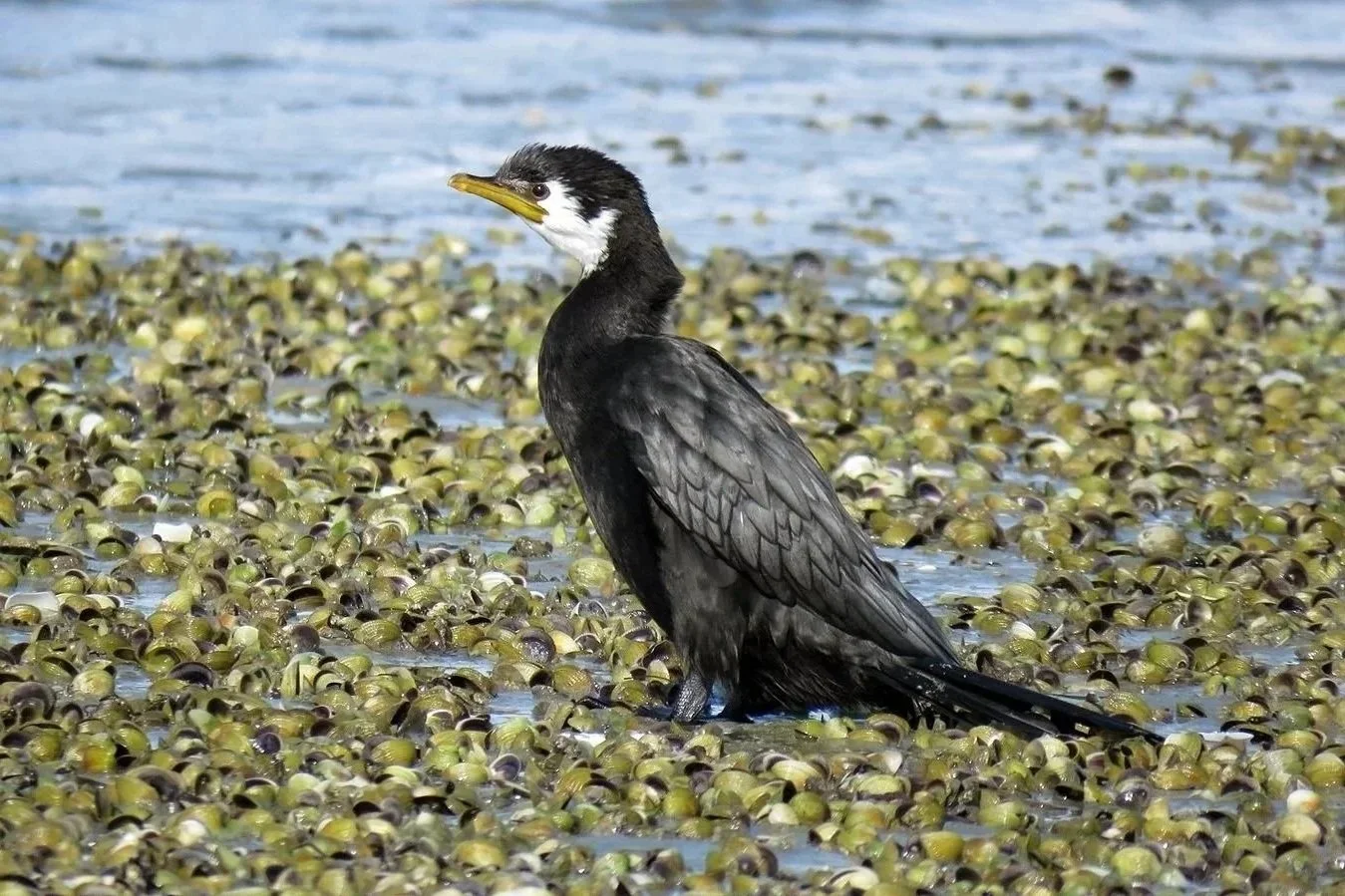
When seen: Year round in Tutukaka harbour
Occurrence: Occasional local breeder
Scientific name: Microcarbo melanoleucos
The sweet Little Shag is sometimes encountered in the harbour, either roosting or hunting for fish.
Also know as Little Pied Shag, or Little Cormorant in other parts of the world.
Yet to be seen…
Here are some other seabird species that have been recorded within the wider area where The Petrel Station seabird tours operate, but we haven’t yet recorded on one of our tours — yet!
Southern Fulmar
Great Shearwater
Brown Booby
Sooty Tern
Brown and Black Noddy
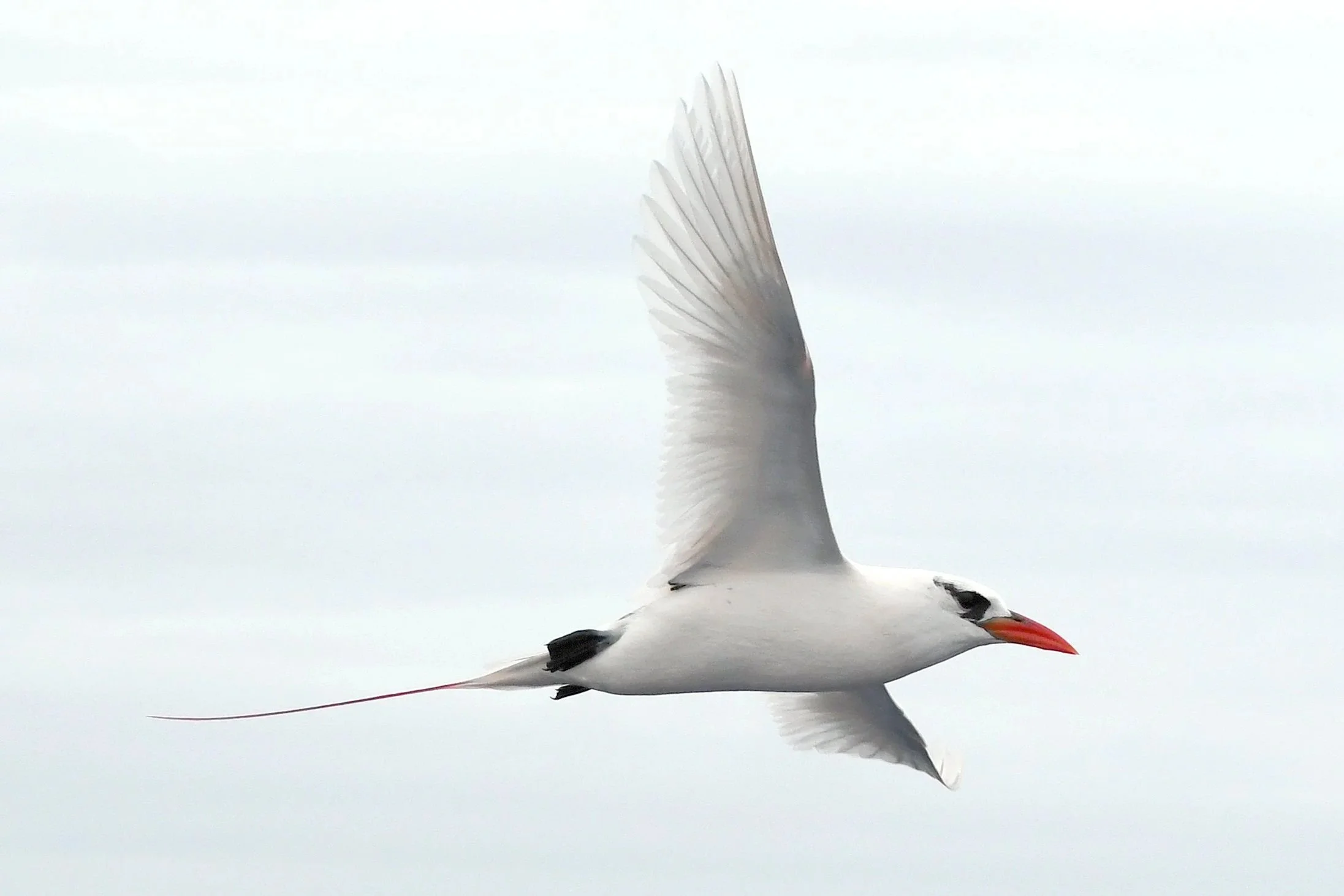
White-tailed and Red-tailed Tropicbird
Lesser Frigatebird

Experience these stunning seabirds for yourself
Join The Petrel Station seabird tours for a memorable day offshore among New Zealand’s extraordinary seabird life.
This is just one of the remarkable seabird species groups we’ve recorded on The Petrel Station seabird tours – also explore the Albatross, Petrels, Shearwaters, Storm Petrels, Prions and Skuas species seen.
Our Seasons page has an overview of when species could be encountered, and our Past Tour Reports include fascinating insights into what we’ve recorded offshore. We also recommend the very informative www.nzbirdsonline.org.nz