
Shearwaters of The Petrel Station
Tutukaka, New Zealand
Shearwaters are one of the most exciting seabird groups encountered on The Petrel Station seabird tours, including the world’s only breeding population of Buller’s Shearwater, and their part in the huge feeding workups experienced offshore from Tutukaka.
10
SHEARWATER SPECIES SEEN
The Petrel Station seabird tours have recorded an excellent diversity of Shearwater species offshore from Tutukaka, with an impressive mix of local breeding species, seasonal visitors, and scarcer offshore vagrants – showing why this area is such a major seabird hotspot.
In spring and summer, incredible numbers of Buller’s Shearwaters and sometimes Fluttering Shearwaters can gather in huge feeding frenzy workups, creating one of the great birdwatching and wildlife spectacles of The Petrel Station seabird tours.
Below are the Shearwater species we’ve recorded on The Petrel Station seabird tours, and when they’re most likely to be seen — though sightings may occur outside these times.
Buller’s Shearwater

SPECIALTY SEABIRD of The Petrel Station
ENDEMIC SPECIES
When seen: September to April (occasionally seen at other times)
Occurrence: Abundant local breeder
Scientific name: Ardenna bulleri
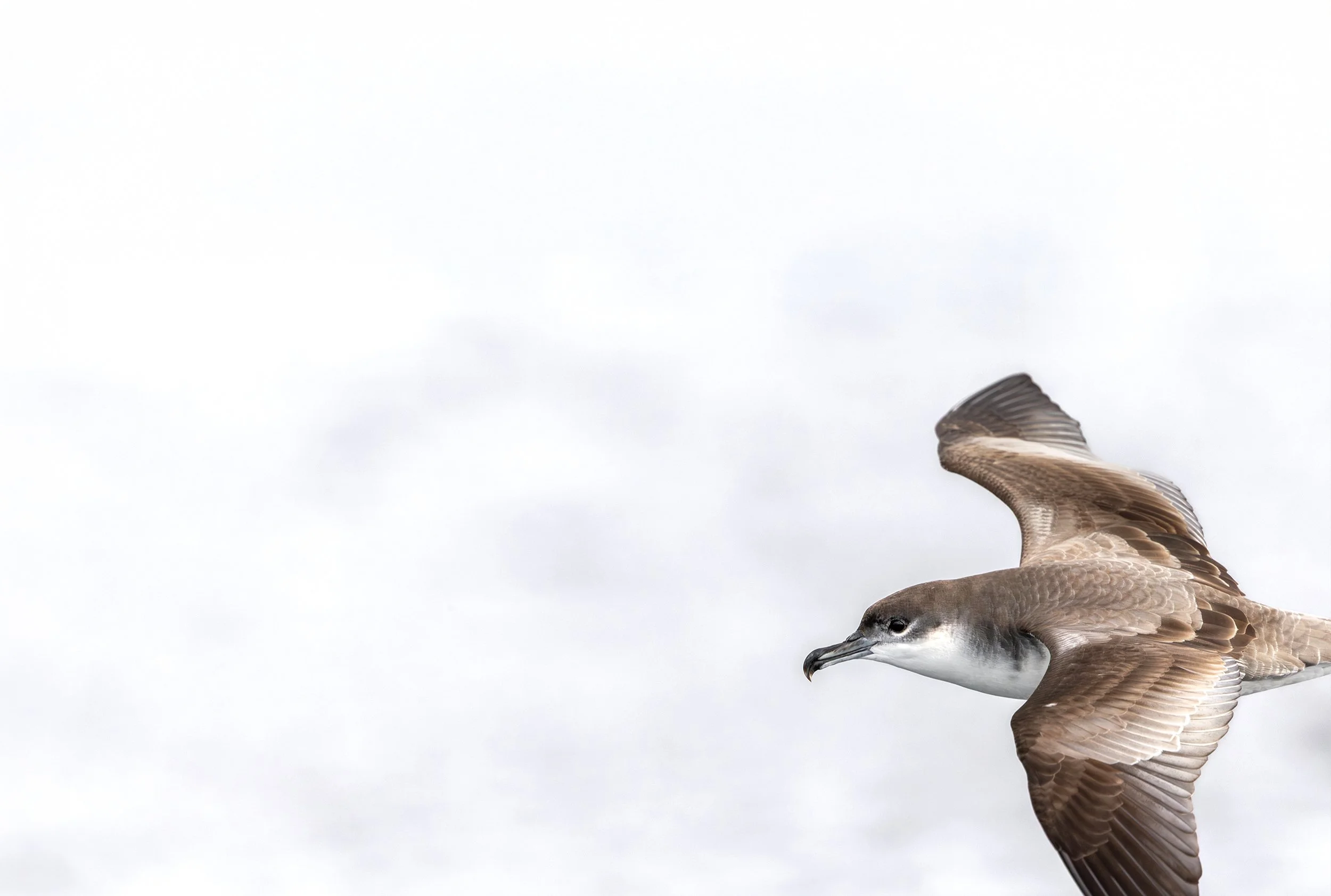
The world’s entire population of the endemic Buller’s Shearwater breeds only on our local Poor Knights Islands, and they are one of the defining seabirds of The Petrel Station seabird tours. Because we go past these islands on tour, we regularly encounter them in large numbers through the breeding season.
These large, striking shearwaters are dark brown above with boldly patterned upperwings and clean white underparts, and are very eye-catching in flight.
In spring and summer, Buller’s Shearwaters become a major part of the huge feeding frenzy workups that develop offshore from Tutukaka. At times they gather in the thousands, alongside Fairy Prions and sometimes Fluttering Shearwaters in densely-packed feeding workups to feast on the abundant zooplankton and krill that flood into the area. It’s an incredible experience and one of The Petrel Station seabird tours highlights.
Little Shearwater

SPECIALTY SEABIRD of The Petrel Station
When seen: May to December (occasionally seen at other times)
Occurrence: Regular local breeder
Scientific name: Puffinus assimilis
Little Shearwaters are the smallest shearwater species regularly encountered in New Zealand, and one of our local specialties of The Petrel Station seabird tours. They are local winter breeders and can be seen in good numbers in season, making Northland one of the best places in New Zealand to enjoy them well.
They are dark above and white below with blue legs. Their flight style is distinctive, with a series of quick, stiff wingbeats followed by short glides, usually very low over the ocean surface.
Fluttering Shearwater

ENDEMIC SPECIES
When seen: Year round
Occurrence: Abundant local breeder
Scientific name: Puffinus gavia
We’ll often encounter the endemic Fluttering Shearwater in good numbers on The Petrel Station seabird tours, and they are an important part of our offshore birding experience.
They are local breeders and can sometimes gather in huge numbers, including in the major feeding workups we encounter offshore alongside Fairy Prions and Buller’s Shearwaters.
They are a smaller shearwater, dark above and paler below, with white ‘saddlebags’ on the flanks. Their flight style is a repeated pattern of quick, stiff wingbeats followed by a glide.
Hutton’s Shearwater
ENDEMIC SPECIES
When seen: September to March
Occurrence: Infrequent visitor
Scientific name: Puffinus huttoni
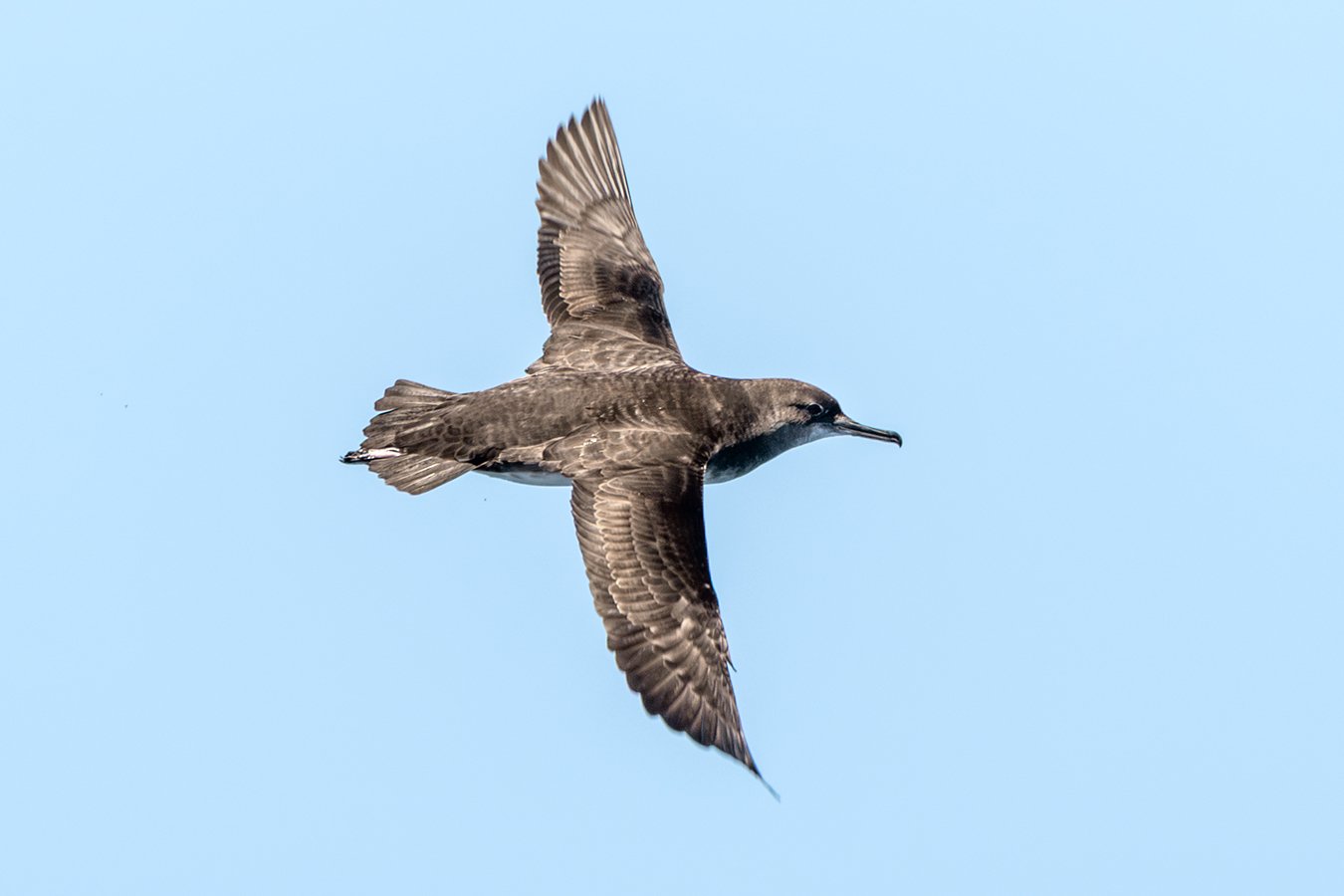
The endemic Hutton’s Shearwater look very similar to Fluttering Shearwater, and can easily be overlooked among the hundreds, and sometimes thousands, of Fluttering Shearwater we can get in the area. Migration season is usually the best time to look for them.
Compared with Fluttering Shearwater, they tend to have a longer bill, a more hooded appearance, darker underwings, and lack of saddlebags on the flanks. Their flight style is similar too, so sorting them out well can be an interesting challenge.
Streaked Shearwater
FIRST LIVE RECORD in New Zealand!
When seen: November (only encountered once)
Occurrence: Very rare vagrant visitor to New Zealand
Scientific name: Calonectris leucomelas
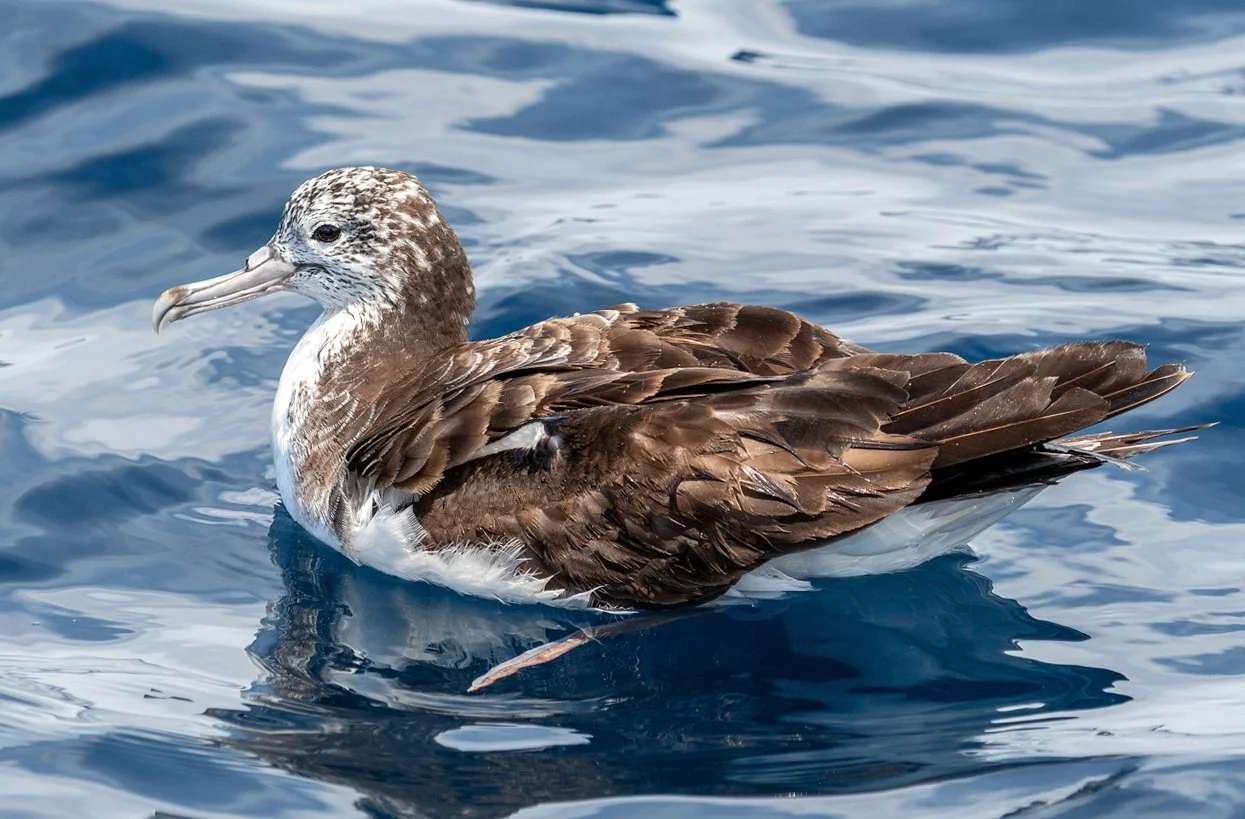
One of the most exciting examples of what can turn up offshore on The Petrel Station seabird tours is the Streaked Shearwater, when we recorded the first ever live record in New Zealand waters.
This stunning brown and white shearwater with it’s a strongly streaked head, breeds mainly in Japan. It is an exceptionally scarce visitor to New Zealand, but its appearance offshore from Tutukaka shows just how exciting pelagic birding here can be — and why every tour carries the possibility of something truly unexpected turning up.
Flesh-footed Shearwater
When seen: October to May
Occurrence: Common local breeder
Scientific name: Ardenna carneipes
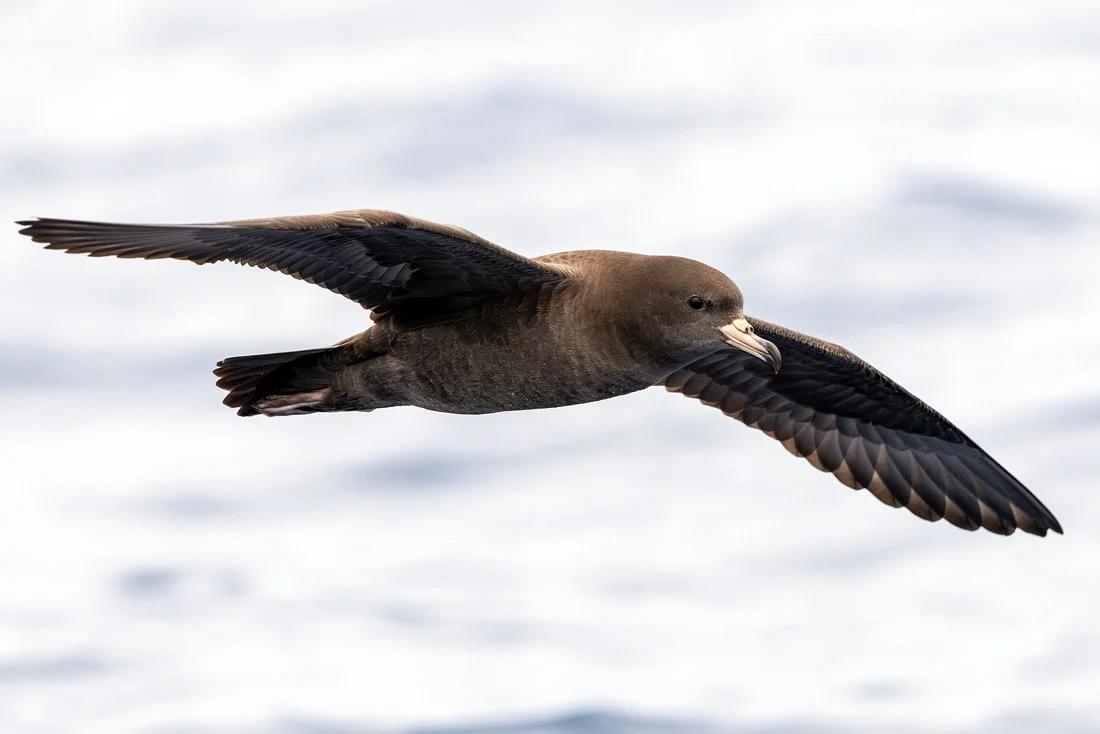
Flesh-footed Shearwaters are beautiful large, all-dark shearwaters with a pale pink bill and feet.
They are a regular on The Petrel Station seabird tours, and will often hang around the boat for long periods, giving excellent views, and sometimes gathering in quite large numbers which is always an impressive sight.
Pink-footed Shearwater

When seen: July (only encountered once)
Occurrence: Very rare vagrant visitor to New Zealand
Scientific name: Ardenna creatopus
Pink-footed Shearwater is another of the remarkable rarities recorded on The Petrel Station seabird tours. Any sighting of a Pink-footed Shearwater in New Zealand waters is a very special one, and a great example of just how surprising pelagic birding offshore from Tutukaka can be.
This large, stunning shearwater with it’s pink bill and pink feet, breeds only on a couple of small islands off South America. Most migrate north along the west coast of the Americas, so one appearing this far west in New Zealand waters is an exceptional event.
Short-tailed Shearwater
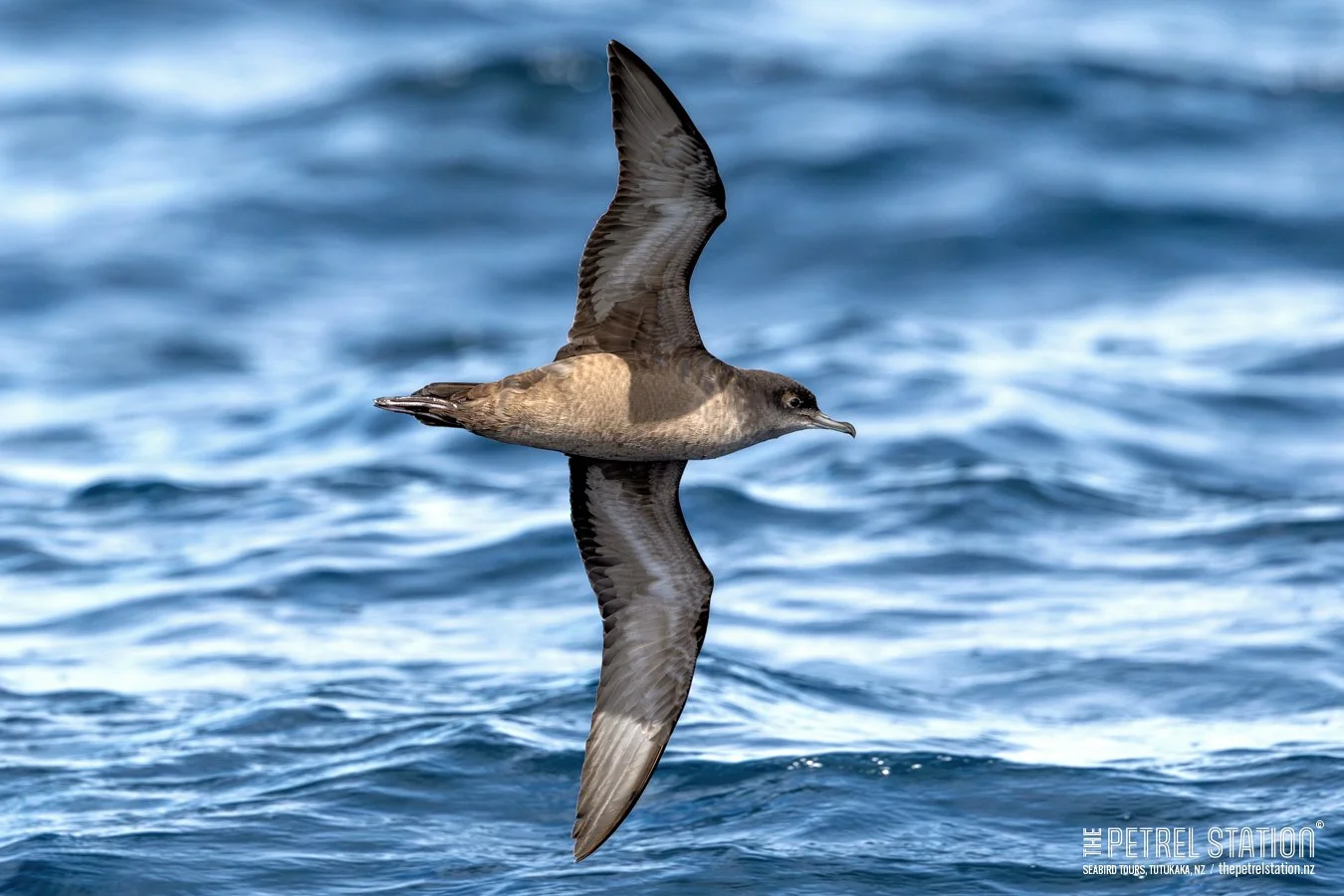
When seen: October to February
Occurrence: Seasonal migration visitor
Scientific name: Ardenna tenuirostris
Short-tailed Shearwaters are seasonal visitors to our area and are often an entertaining species to encounter on tour. They are strong divers and will often plunge or swim to impressive depths in search of food.
They are similar to Sooty Shearwater, but usually have a shorter bill and a more muted underwing. Large populations breed in southern Australia, and birds pass through New Zealand waters on migration.
Wedge-tailed Shearwater
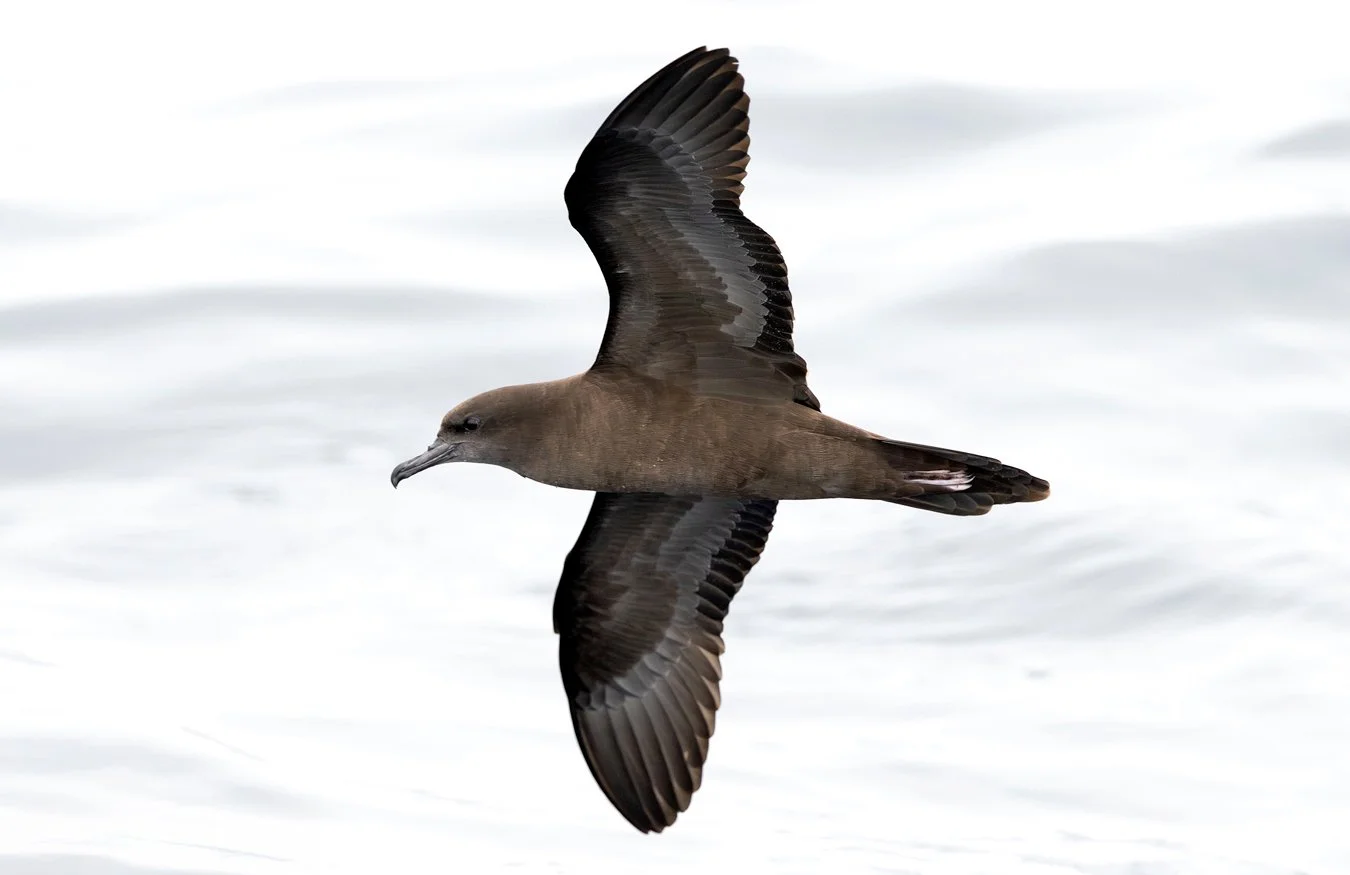
SPECIALTY SEABIRD of The Petrel Station
When seen: November to March
Occurrence: Infrequent visitor
Scientific name: Ardenna pacifica
Wedge-tailed Shearwater is one of the trickier and more exciting specialty shearwaters of The Petrel Station seabird tours. We usually only get a handful each year, but offshore from Tutukaka is one of the best places off mainland New Zealand to have a realistic chance of encountering one.
They breed in New Zealand’s Kermadec Islands, around 1,000 km to the north, as well as elsewhere in the Pacific. Large, dark, and slender, with a long tapered tail, they are a stunning seabird, and it’s always a treat when one appears.
Sooty Shearwater

When seen: September to March (occasionally seen at other times)
Occurrence: Regular Visitor
Scientific name: Ardenna grisea
Sooty Shearwaters are large, dark shearwaters with a strong silver flash on the underwing and a very distinctive powerful flight style, soaring on long straight wings between bursts of stiff wingbeats.
They breed in huge numbers in New Zealand and elsewhere, and are a regular visitor to our area in small numbers.

Experience these stunning seabirds for yourself
Join The Petrel Station seabird tours for a memorable day offshore among New Zealand’s extraordinary seabird life.
This is just one of the remarkable seabird species groups we’ve recorded on The Petrel Station seabird tours – also explore the Albatross, Petrels, Storm Petrels, Prions, Skuas and other seabird species seen.
Our Seasons page has an overview of when species could be encountered, and our Past Tour Reports include fascinating insights into what we’ve recorded offshore. We also recommend the very informative www.nzbirdsonline.org.nz