

Storm Petrels of The Petrel Station
Tutukaka, New Zealand
Storm Petrels are the smallest seabirds encountered on The Petrel Station seabird tours, but they add hugely to the excitement offshore – especially when the scarce New Zealand Storm Petrel is involved.
5
STORM PETREL SPECIES SEEN
It is always a delight watching tiny storm petrels bounce and glide across the ocean surface. Despite their size, they are a big part of what makes northern New Zealand pelagic birdwatching so special.
The standout specialty species here is, of course, the iconic New Zealand Storm Petrel – a highly sought-after endemic that for some visitors is reason enough to come on The Petrel Station seabird tours, as it is unlikely to be seen elsewhere in New Zealand, or the world!
Below are the Storm Petrel species we’ve recorded on The Petrel Station seabird tours, and when they’re most likely to be seen — though sightings may occur outside these times.
New Zealand Storm Petrel

SPECIALTY SEABIRD of The Petrel Station
ENDEMIC SPECIES
When seen: September to May (in good numbers), Jun to July (in small numbers)
Occurrence: Common local breeder
Scientific name: Fregetta maoriana
The tiny, iconic New Zealand Storm Petrel is our most famous specialty pelagic seabird on The Petrel Station seabird tours.
This scarce, endemic seabird was thought to be extinct until it was rediscovered nearby in the greater Hauraki Gulf pelagic waters in 2003, and it was not until 2013 that its only known breeding site was found on Little Barrier Island. This island is now pest-free, and the New Zealand Storm Petrel population has started to recover, with numbers thought to be in the low thousands.
The Petrel Station seabird tours are very privileged to regularly see the greatest number of these delightful seabirds than any other location in New Zealand (or the world!) and they are a major highlight for many on our birding tours. They are regularly seen in good numbers from late September to May, often with 20 to 30 around the boat, and our highest count so far is a staggering 100+ birds behind the boat at once. Outside those months they’re usually present in smaller numbers, with August the only month we have not yet recorded them.
Watching New Zealand Storm Petrels effortlessly bounce, patter, and flit across the ocean surface right behind the boat is an absolute treat for any birdwatcher or wildlife enthusiast — especially knowing that, not that long ago, they were not even known to still exist!
White-faced Storm Petrel
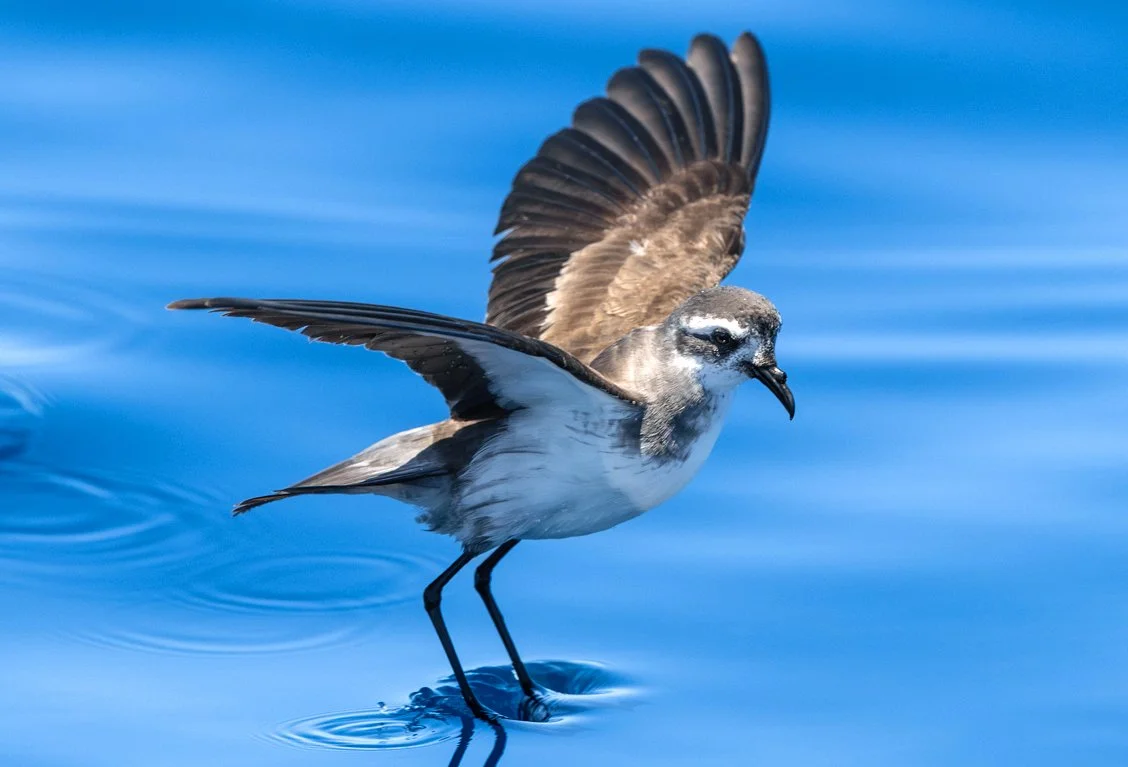
When seen: August to March (occasionally seen at other times)
Occurrence: Common local breeder
Scientific name: Pelagodroma marina
White-faced Storm Petrels are a delight to encounter, as they bounce along off the surface with both feet, hovering over the water, and picking tiny bits of food off the surface. They breed locally and we regularly get good numbers of them through spring and summer.
At times they can be swirling around the boat alongside the New Zealand Storm Petrels, with dozens of storm petrels gathered together which is an absolute pleasure to watch.
Wilson’s Storm Petrel
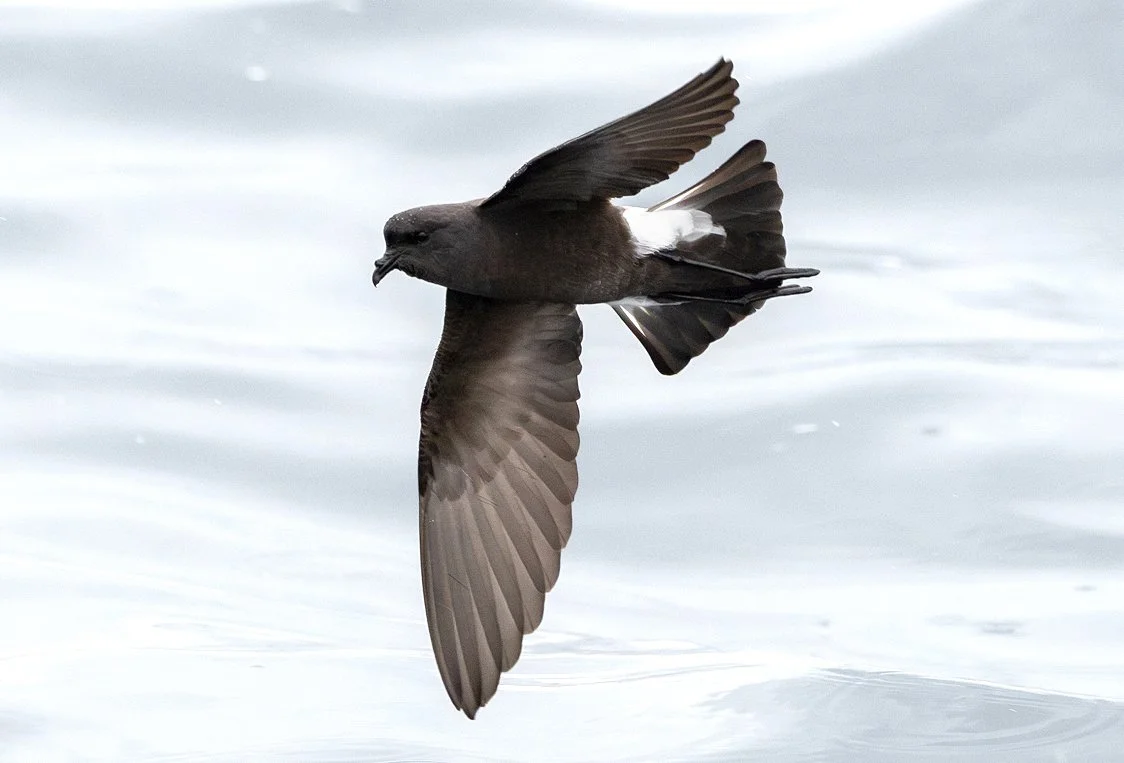
When seen: March to May, and October to December.
Occurrence: Regular seasonal migration visitor
Scientific name: Oceanites oceanicus
Wilson’s Storm Petrels are one of the most abundant seabirds in the world, but they’re not that commonly seen in New Zealand waters, which makes them a great bird to encounter offshore from Tutukaka. It is always a fun challenge picking them out among the more abundant New Zealand Storm Petrels when both species are around the boat together.
They breed in Antarctica, and we regularly see them on spring and autumn tours as they move north or south on migration. Like other storm petrels, they feed by bounding, gliding and hovering across the surface while picking tiny food items from the water.
Grey-backed Storm Petrel
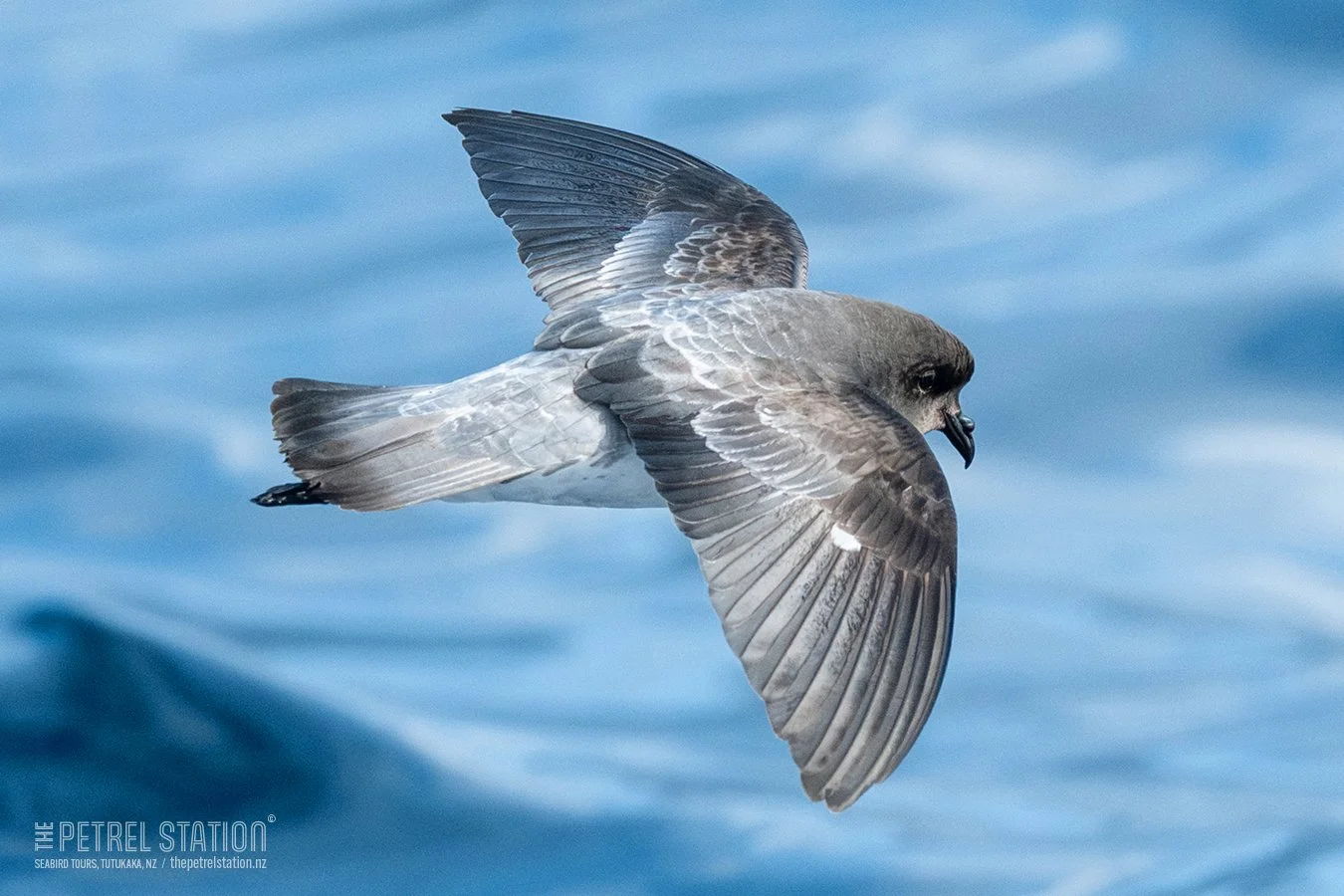
When seen: July to August
Occurrence: Infrequent visitor
Scientific name: Garrodia nereis
These delightful tiny seabirds are an absolute treat when they turn up. Grey-backed Storm Petrels breed in the southern oceans and are only occasionally seen this far north during the cooler winter months.
They are the smallest storm petrel recorded in New Zealand, weighing only around 35 grams, yet they are every bit as at home in ocean conditions as much larger seabirds. Their tiny size only adds to the charm when they appear.
Black-bellied Storm Petrel
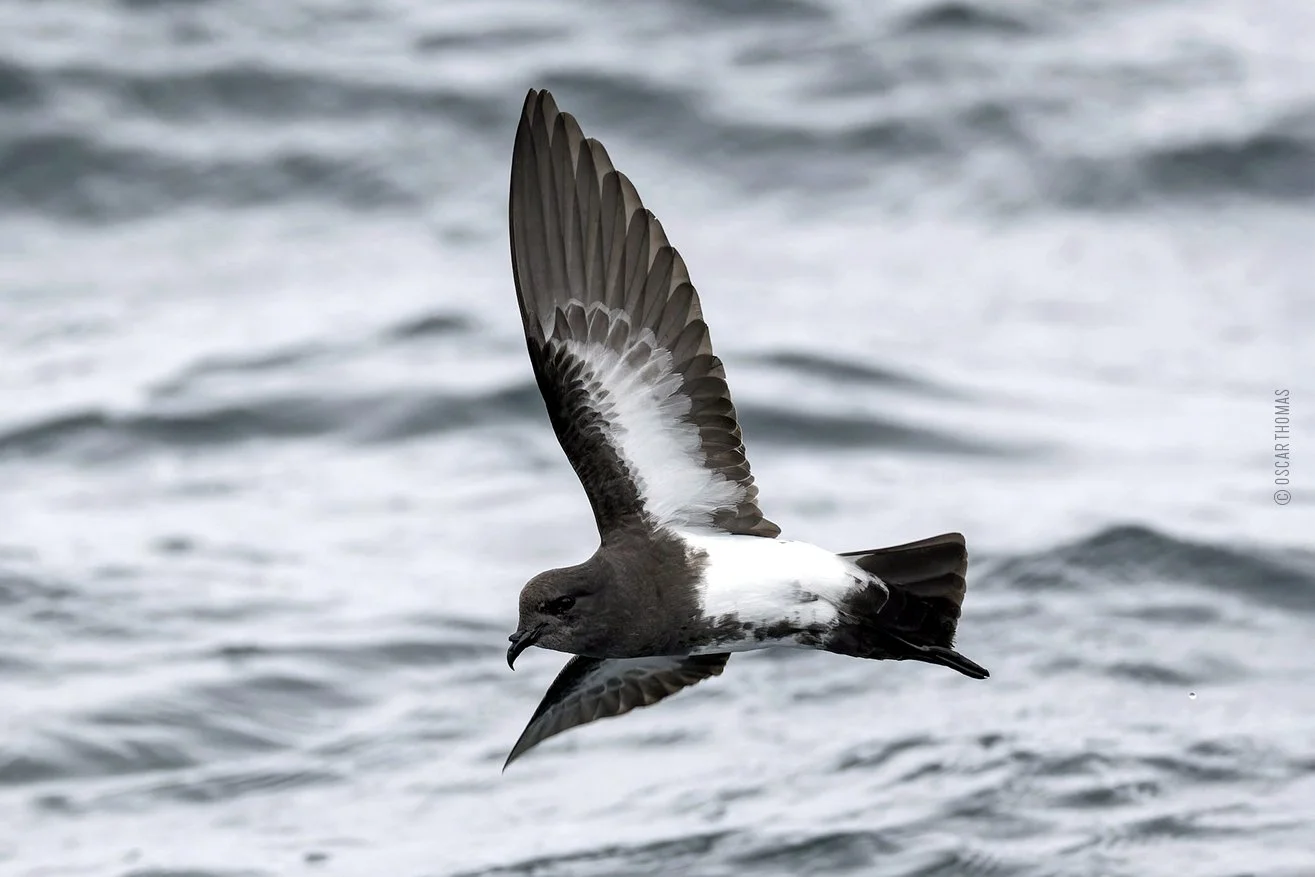
When seen: April or October
Occurrence: Infrequent seasonal migration visitor
Scientific name: Fregetta tropica
Another breeder of the Southern Ocean, Black-bellied Storm Petrels are very occasional visitors to our area, most likely encountered after leaving their breeding grounds.
They can be especially challenging because they look very similar to New Zealand Storm Petrels, and picking one out among them takes a sharp eye. Black-bellied Storm Petrels are generally a bit larger and bulkier, and most show a dark stripe running down the centre of the belly, whereas New Zealand Storm Petrels have a streaked belly pattern.

Experience these stunning seabirds for yourself
Join The Petrel Station seabird tours for a memorable day offshore among New Zealand’s extraordinary seabird life.
This is just one of the remarkable seabird species groups we’ve recorded on The Petrel Station seabird tours – also explore the Albatross, Petrels, Shearwaters, Prions, Skuas and other seabird species seen.
Our Seasons page has an overview of when species could be encountered, and our Past Tour Reports include fascinating insights into what we’ve recorded offshore. We also recommend the very informative www.nzbirdsonline.org.nz