
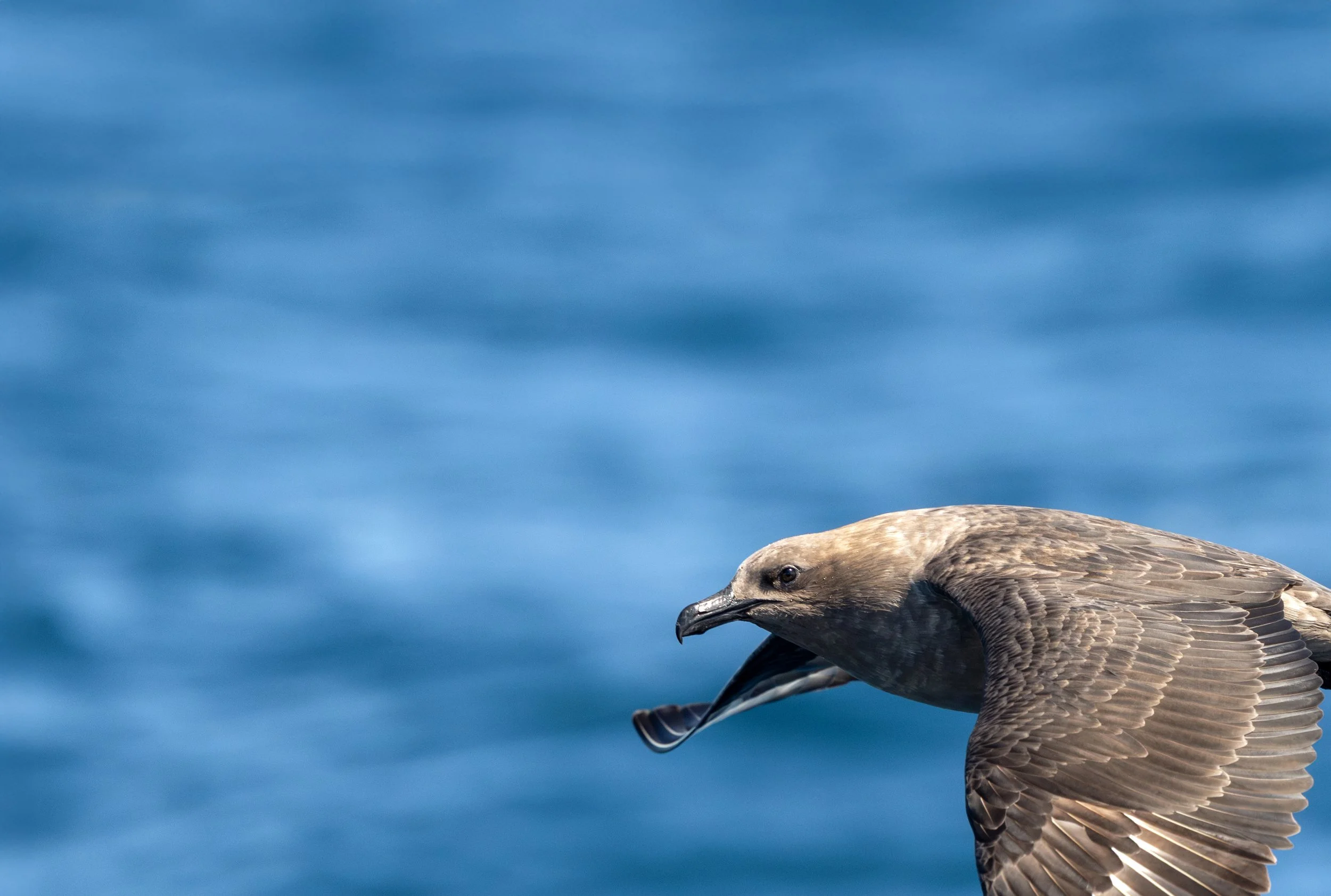
Skuas of The Petrel Station
Tutukaka, New Zealand
Skuas bring speed, power, and often chaos to the offshore birding mix, and The Petrel Station seabird tours have recorded a good diversity of these impressive seabirds.
5
SKUA SPECIES SEEN
Skuas (or Jaegers) always add plenty of excitement when they turn up, and can deliver some spectacular aerial pirating displays when they chase other seabirds.
On The Petrel Station seabirds tours we’ve recorded all the Skua species found in New Zealand waters, including one of our seabird specialties, the impressive South Polar Skua, which now appears semi-regularly on our spring trips.
Below are the Skua species we’ve recorded on The Petrel Station seabird tours, and when they’re most likely to be seen — though unexpected sightings can occur outside these times.
JUMP TO SPECIES:
South Polar Skua • Brown Skua • Long-tailed Skua • Arctic Skua • Pomarine Skua
South Polar Skua
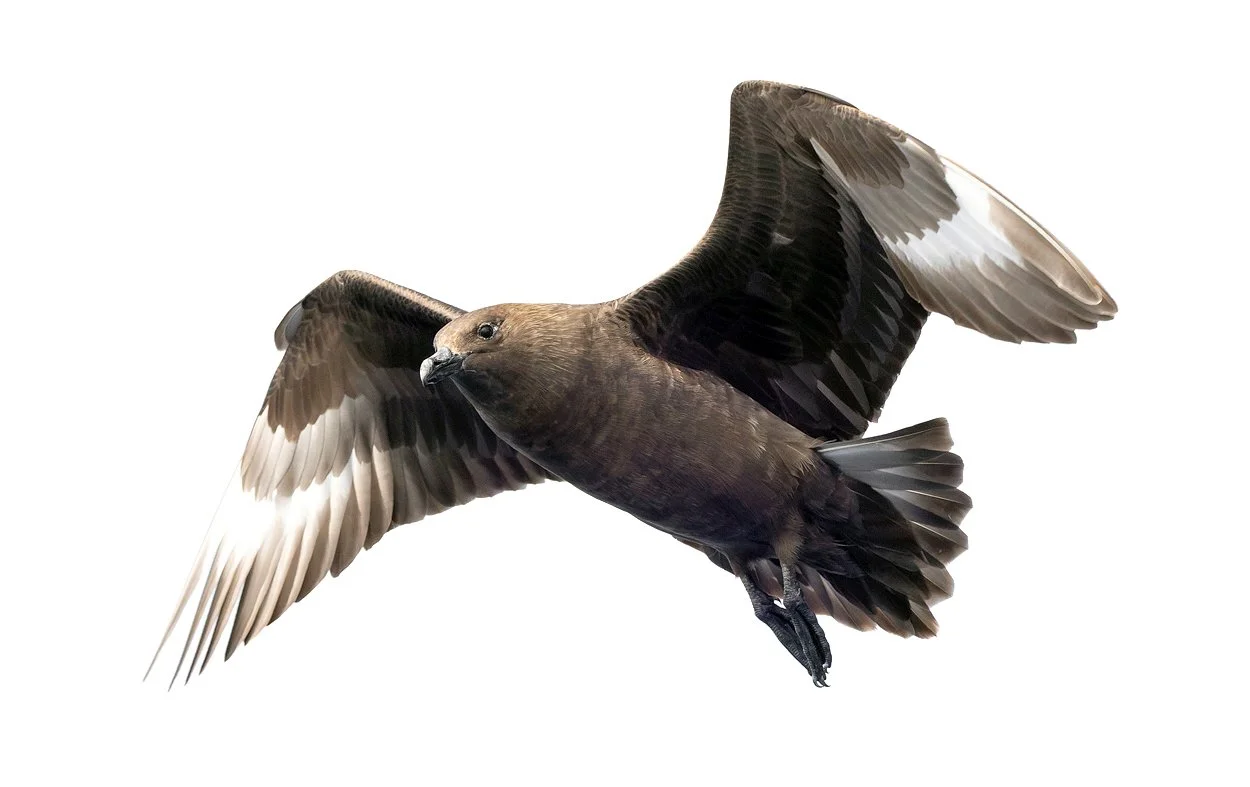
SPECIALTY SEABIRD of The Petrel Station
When seen: October to December
Occurrence: Occasional seasonal migration visitor
Scientific name: Stercorarius maccormicki
South Polar Skuas are a semi-regular specialty of The Petrel Station seabird tours and a real treat to encounter offshore from Tutukaka. They are very scarce off the New Zealand mainland, so its exciting that they turn up on some of our spring season tours, from late October into December. This includes three sightings of the dark morph South Polar Skua, which is extremely rare in New Zealand waters.
They are large, stocky, powerful seabirds with broad wings, a heavy bill, and bold white flashes on the wings. When one comes in, they often stir things up by harassing other seabirds for food. They are a real thrill to see, and they’ll often come in really close.
They breed in Antarctica and disperse widely at sea, with the birds we encounter likely heading back to their breeding grounds in spring.
Brown Skua

When seen: May to August
Occurrence: Ocassional visitor
Scientific name: Stercorarius antarcticus
Brown Skuas are large, heavy-set, powerful seabirds with broad wings and distinctive white flashes on the wings. With a wingspan of over 1.5 metres, these stunning birds are always an impressive sight.
We can encounter them when they move north during the cooler autumn and winter months after breeding in the southern oceans. Like other skuas, they are opportunistic predators and scavengers, and often harass other seabirds to steal their food.
Long-tailed Skua
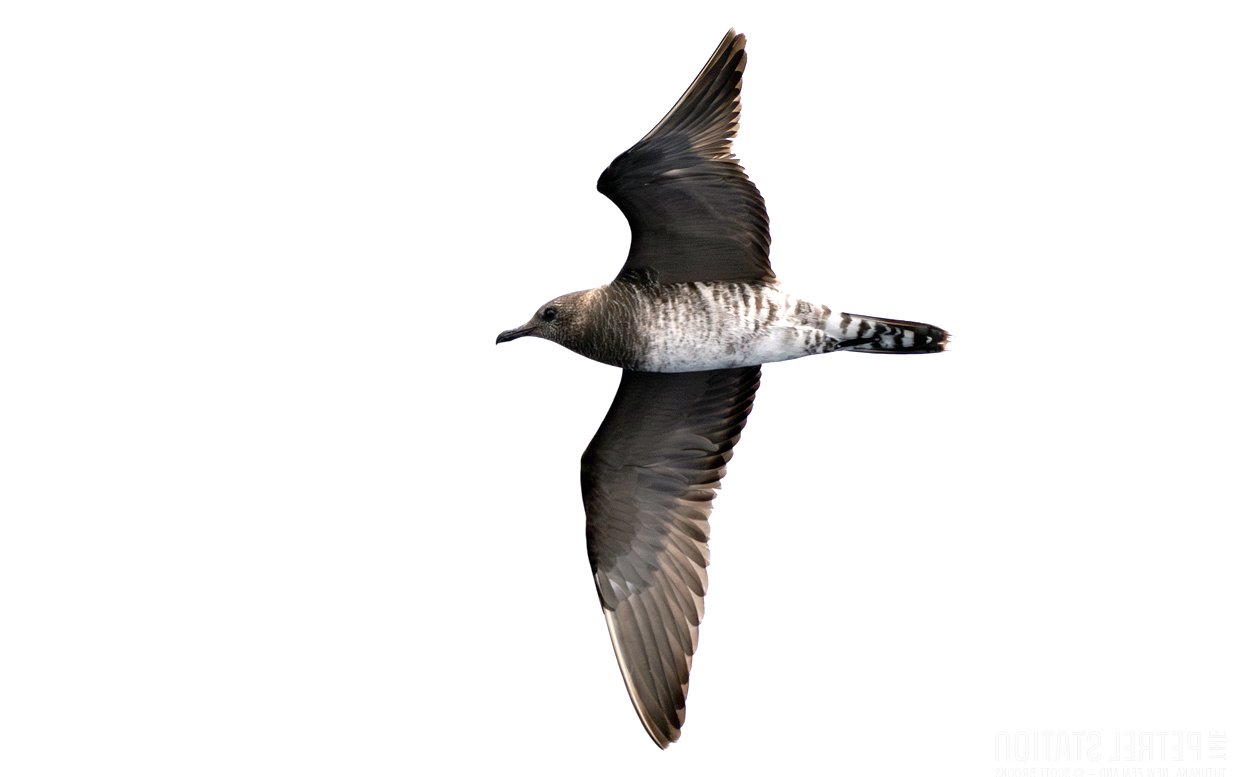
SPECIALTY SEABIRD of The Petrel Station
When seen: October to December
Occurrence: Occasional seasonal migration visitor
Scientific name: Stercorarius longicaudus
Long-tailed Skuas are a scarce specialty of The Petrel Station seabird tours, and one we feel lucky to encounter a few of each spring off Tutukaka. They are fairly uncommon off New Zealand so it’s always a special species to see, and they’ll often give excellent close views as they cruise around.
With a flight style more like a tern than a skua, they appear the most graceful and delicate of the skua group — at least until they lock onto another bird and launch into a fast, spectacular chase. They can occur in a wide range of plumages depending on age and breeding cycle.
They breed in the Arctic and are also referred to as Long-tailed Jaeger elsewhere.
Arctic Skua

When seen: October to February.
Occurrence: Occasional visitor
Scientific name: Stercorarius parasiticus
Arctic Skuas are more common around New Zealand’s inshore coastline in spring and summer, but are seen less often offshore. They are agile, fast, and highly entertaining birds to watch.
They mainly feed by chasing terns, gulls, and other seabirds until their target drops its catch, creating some spectacular aerial pursuits in the process. They can occur in a wide range of plumages which is always interesting to work through in the field.
They breed in the Arctic and are also referred to as Parasitic Jaeger elsewhere.
Pomarine Skua
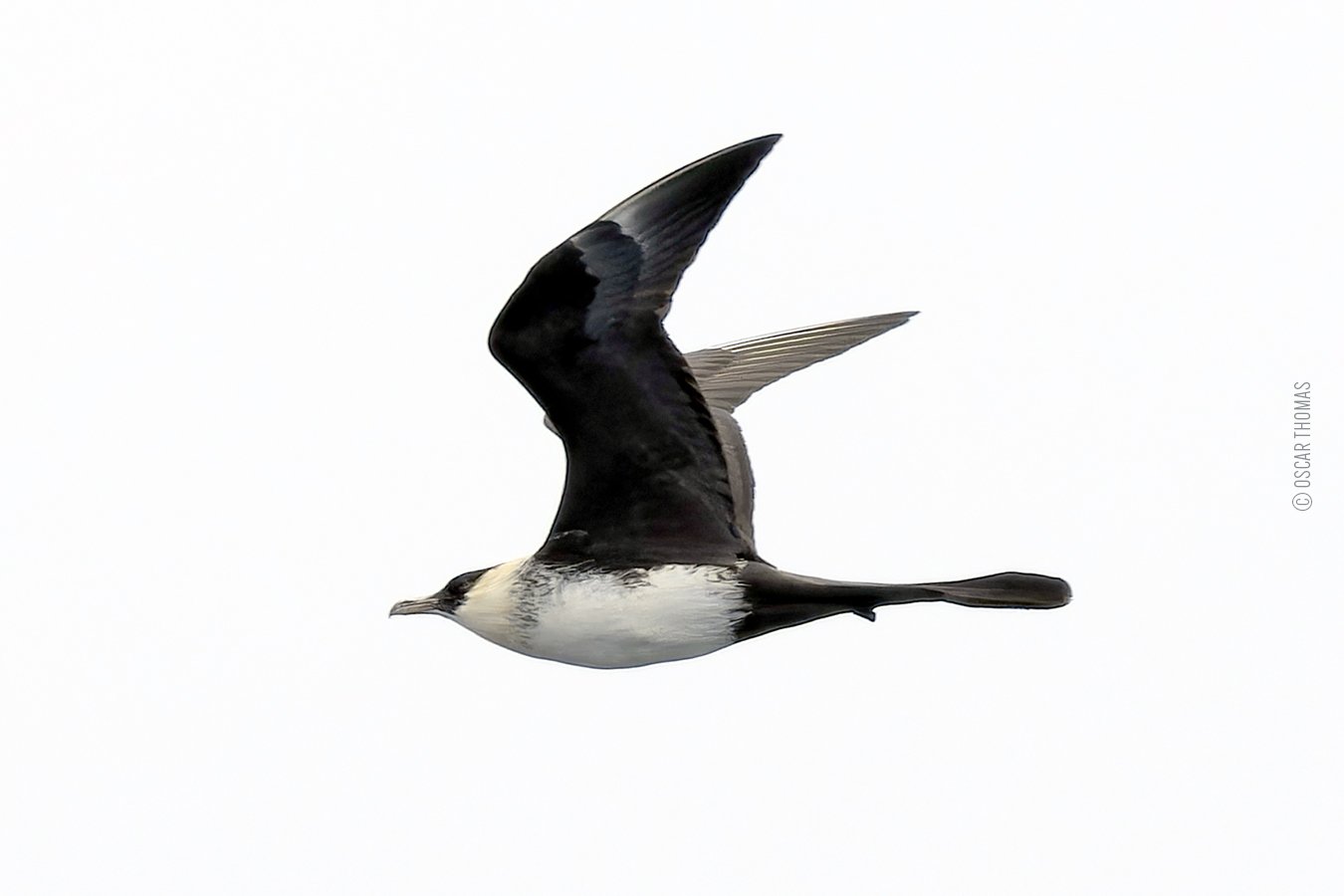
When seen: January (only encountered once)
Occurrence: Rare vagrant visitor to New Zealand
Scientific name: Stercorarius pomarinus
A very uncommon visitor to New Zealand, Pomarine Skuas are the largest of the jaeger group and an impressive bird to encounter, with their deep barrel chest and powerful flight style.
Like other skuas, they pursue seabirds until they drop their food, allowing the skua to snatch it in mid-air or from the surface. They can present a wide range of plumages depending on age and breeding cycle.
They breed in the Arctic and are also referred to as Pomarine Jaeger elsewhere.

Experience these stunning seabirds for yourself
Join The Petrel Station seabird tours for a memorable day offshore among New Zealand’s extraordinary seabird life.
This is just one of the remarkable seabird species groups we’ve recorded on The Petrel Station seabird tours – also explore the Albatross, Petrels, Shearwaters, Storm Petrels, Prions and other seabird species seen.
Our Seasons page has an overview of when species could be encountered, and our Past Tour Reports include fascinating insights into what we’ve recorded offshore. We also recommend the very informative www.nzbirdsonline.org.nz